

The New Testament, a text that millions know worldwide, was written in Koine Greek. This ancient form of Greek is easier for today’s Greeks to understand than Classical Greek.
Greeks learn Ancient Greek at school, but modern Greek differs greatly from its ancient form. The difference between the oldest Greek and today’s version is similar to how Old English changed into Modern English. Ancient Greek came with several dialects – Attic, Doric, and Ionic. Its grammar was complex with five cases and special forms for pairs. Modern Greek has become much simpler over time.
Let’s look at how Greek changed through history and the major changes in its grammar and structure. The language’s pronunciation and vocabulary have transformed dramatically over centuries. Language lovers and Greek students will see how this ancient language became what it is today while keeping its rich cultural heritage intact.
The Evolution of Greek: From Ancient to Modern
Greek remains the world’s oldest recorded living language. Its documented evidence spans 34 centuries. The language’s unique experience shows how Ancient Greek changed into today’s Modern Greek.
The Classical Period (800-300 BCE)
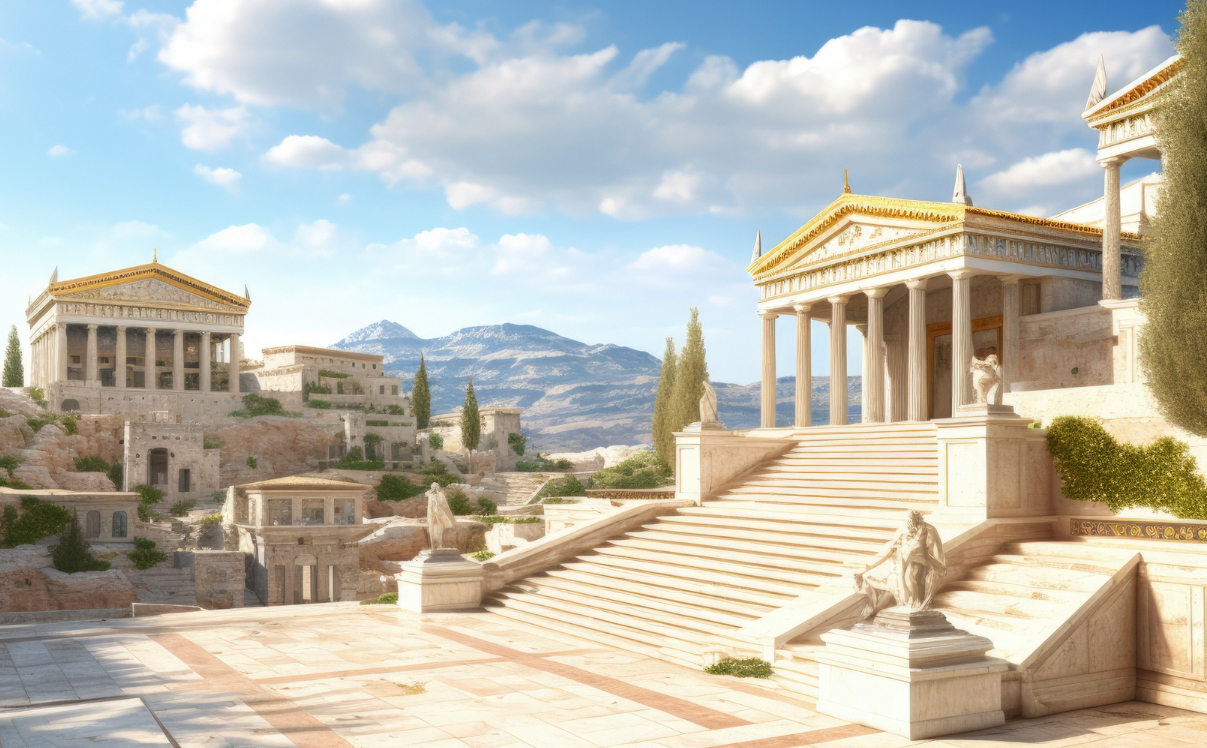
Multiple Greek dialects existed in different city-states during the Classical era. Political divisions and rivalry between cities helped these dialectal features develop strong roots in the first half of the 1st millennium BCE. Athens’s dialect, Attic, became prominent as the city’s cultural and political power grew in the 5th century BCE. Attic later replaced Ionic as the dialect of prose and became the standard for educated discourse throughout the Greek world.
Koine Greek: The Bridge Between Eras (300 BCE-300 CE)
Alexander the Great’s conquests reshaped the Greek language scene. His military campaigns spread Attic-based Greek across the Eastern Mediterranean and Near East, where it became a lingua franca. This blend of Ionian and Attic created Koine Greek (“common language”) that served as both an administrative tool and cultural medium.
Koine Greek showed clear simplification compared to Classical Greek. The sound system started to change as vowel sounds merged and diphthongs became single vowels. Koine’s grammar lost the dual number in nouns, verbs, and adjectives, and dropped the optative mood. The case systems began to simplify, marking the first steps toward Modern Greek’s structure.
Byzantine Greek and Medieval Changes (300-1453 CE)
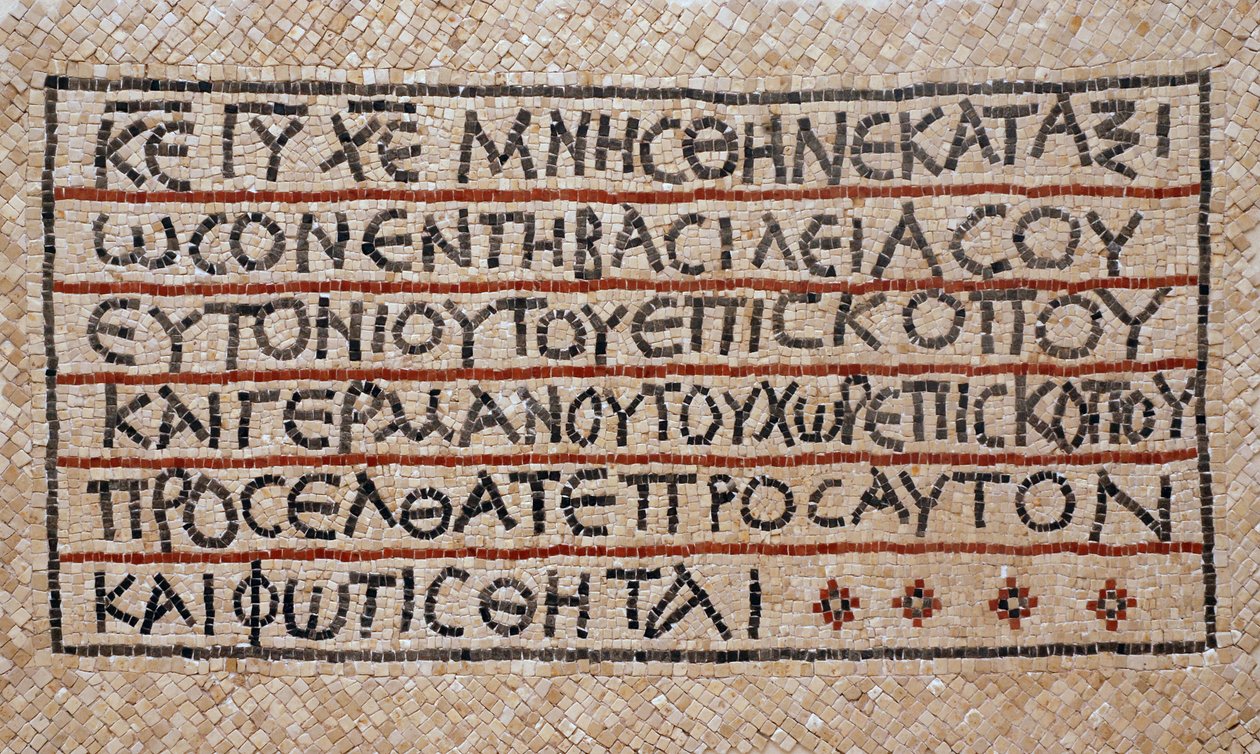
Greek developed a unique situation of diglossia during the Byzantine Empire. A learned, archaic written form existed next to the everyday spoken language. Greek became the sole language of administration and government from the 7th century. Byzantine scholars preserved ancient Greek literature, philosophy, and science through translation and commentary.
This period brought more phonological simplification. The six-vowel system reduced to Modern Greek’s five-vowel system. Spoken language lost the dative case, and periphrastic constructions replaced infinitives.
Modern Greek Formation (1453-Present)
Constantinople’s fall in 1453 marks Modern Greek’s beginning, though many features emerged earlier. Greece saw linguistic diglossia between Katharevousa (purified) and Dimotiki (vernacular) varieties throughout much of the 19th and 20th centuries. The language question grew stronger after Greece gained independence in 1830. Athens and Peloponnese’s dialect became the foundation for standard spoken language.
The debate ended in 1976 when Dimotiki became the official standard form. This created today’s Standard Modern Greek—a language different from its ancient ancestor yet carrying its remarkable heritage.
Key Differences in Grammar and Structure
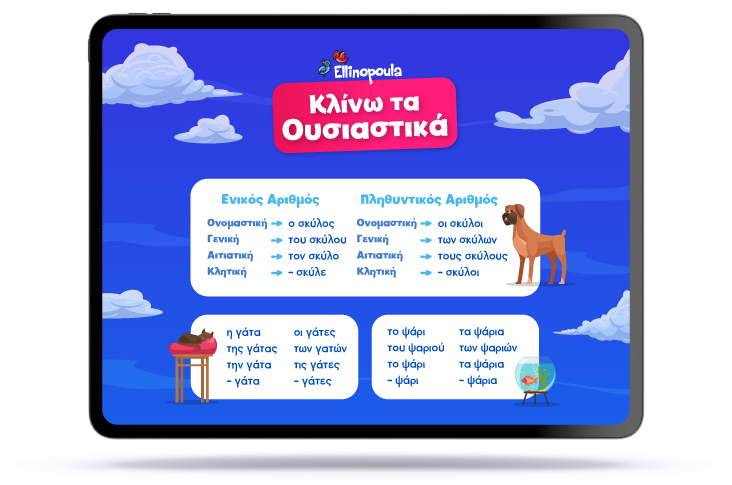
Greek’s grammatical structure has changed dramatically over thousands of years. The language kept its essential features while adapting to new linguistic needs. These changes teach us a lot about how languages become simpler with time.
Case System Simplification
The biggest change in grammar involves fewer cases. Ancient Greek had five cases (nominative, genitive, dative, accusative, vocative), but Modern Greek has removed the dative case almost entirely, except in some fixed phrases. The genitive case or prepositional structures now handle what the dative case used to do. Ancient Greek used three numbers – singular, dual (for natural pairs), and plural. Modern Greek now uses only singular and plural forms.
Verb Forms and Tenses
The verb system became much simpler over time. Ancient Greek verbs had four moods (indicative, subjunctive, imperative, and optative), but Modern Greek has done away with the optative mood. Ancient Greek used three distinct voices (active, middle, and passive), which are now just active and medio-passive. Verb patterns have become easier, with a simpler system for past tenses.
Loss of Infinitive and Optative Mood
Modern Greek completely lost the infinitive form, which marks a dramatic change. Ancient Greek relied heavily on infinitives, but Modern Greek now uses subjunctive constructions with particles like “na”. A good example shows Modern Greek speakers saying “thelo na pao” (meaning “I want that I go”) instead of using an infinitive form for “I want to go”. The ancient optative mood, which expressed wishes and possibilities, has vanished.
Word Order Changes

Word order stays somewhat flexible because Greek uses inflections, but default patterns have changed completely. Classical Greek mostly used Subject-Object-Verb (SOV) order, while Modern Greek prefers Subject-Verb-Object (SVO). The old SOV patterns that were once normal have become grammatically incorrect in Modern Greek.
Pronunciation and Writing System Changes
Greek sounds have gone through major changes since ancient times, but the writing system has stayed remarkably stable. The pronunciation differences are now so vast that modern Greeks would have trouble understanding Plato if he spoke today.
Ancient vs Modern Greek Pronunciation
Ancient Greek featured a pitch accent system where speech melody determined meaning, unlike Modern Greek’s stress-based system. Ancient Greek speakers could tell long vowels from short ones – something that doesn’t exist in modern pronunciation. The most dramatic change happened with consonant sounds. The letter beta (β) changed from /b/ to /v/. The ancient delta (δ) moved from /d/ to /ð/ (as in “the”), and gamma (γ) shifted from /g/ to either /ɣ/ or /j/ before front vowels. This consonant lenition reshaped the Greek language’s sound patterns completely.
The Shift from Polytonic to Monotonic System

Greek writing used the complex polytonic system with multiple diacritics that showed accent, breathing, and pronunciation details. The system had three accent marks (acute, grave, circumflex), two breathing marks (rough and smooth), and symbols like the iota subscript. Greece officially switched to the simpler monotonic system in 1982, keeping only the acute accent and diaeresis. This fundamental change reflected how modern pronunciation no longer distinguished many sounds that the polytonic system showed, especially since stress accent had replaced the ancient pitch accent.
Alphabet Consistency Despite Language Evolution
The Greek alphabet has managed to keep remarkable stability despite these deep pronunciation changes. The basic 24-letter system that’s 2500 years old remains almost unchanged. Greek text started as right-to-left like other Semitic scripts but moved to left-to-right writing after 500 BCE. The alphabet stands as the most enduring part of Greek’s linguistic heritage, letting modern readers connect directly with ancient texts even as pronunciation has changed drastically.
Vocabulary Shifts and Meaning Changes
The relationship between ancient Greek vs modern Greek vocabulary stands out as the sort of thing I love to explore. These language stages share a remarkably strong lexical connection despite thousands of years between them.
Words That Survived Intact
Modern Greek’s core vocabulary shows an amazing continuity with its ancient roots. Most Modern Greek words come straight from Ancient Greek, and many terms remain similar across millennia. Simple words like “θάλασσα” (sea), “φίλος” (friend), and “μουσική” (music) have barely changed since classical times. This preservation goes beyond everyday terms to abstract concepts like “φωνή” (voice), “μνήμη” (memory), and “δύναμη” (power). Such resilience showcases Greek’s unique position as Europe’s oldest language with an unbroken 3,500-year written tradition.
Words With Changed Meanings
Words often take on new meanings while keeping their original forms. “Συμμορία” (symmoria) used to mean “a collective group of people” in Ancient Greek but now refers to “gang” in Modern Greek. “Εμπάθεια” (empátheia) started as something close to empathy but now means “hatred”. Christianity brought substantial changes to word meanings, and “παραβολή” (parabolé) changed from “comparison” to “parable”. These meaning changes follow clear patterns—words broaden, narrow, extend metaphorically, or shift toward positive or negative meanings.
Foreign Influences on Modern Greek Vocabulary
Greek has borrowed words from many languages through its progress. Turkish words remain from 400 years of Ottoman rule. Latin and its offspring Italian and French added many administrative and cultural terms. Venetian shaped maritime vocabulary, while English words have become common since 1950. The 19th century brought Katharevousa, a purified form that tried to remove foreign words, especially Turkish ones. This push for language purity still affects modern Greek today.
Conclusion
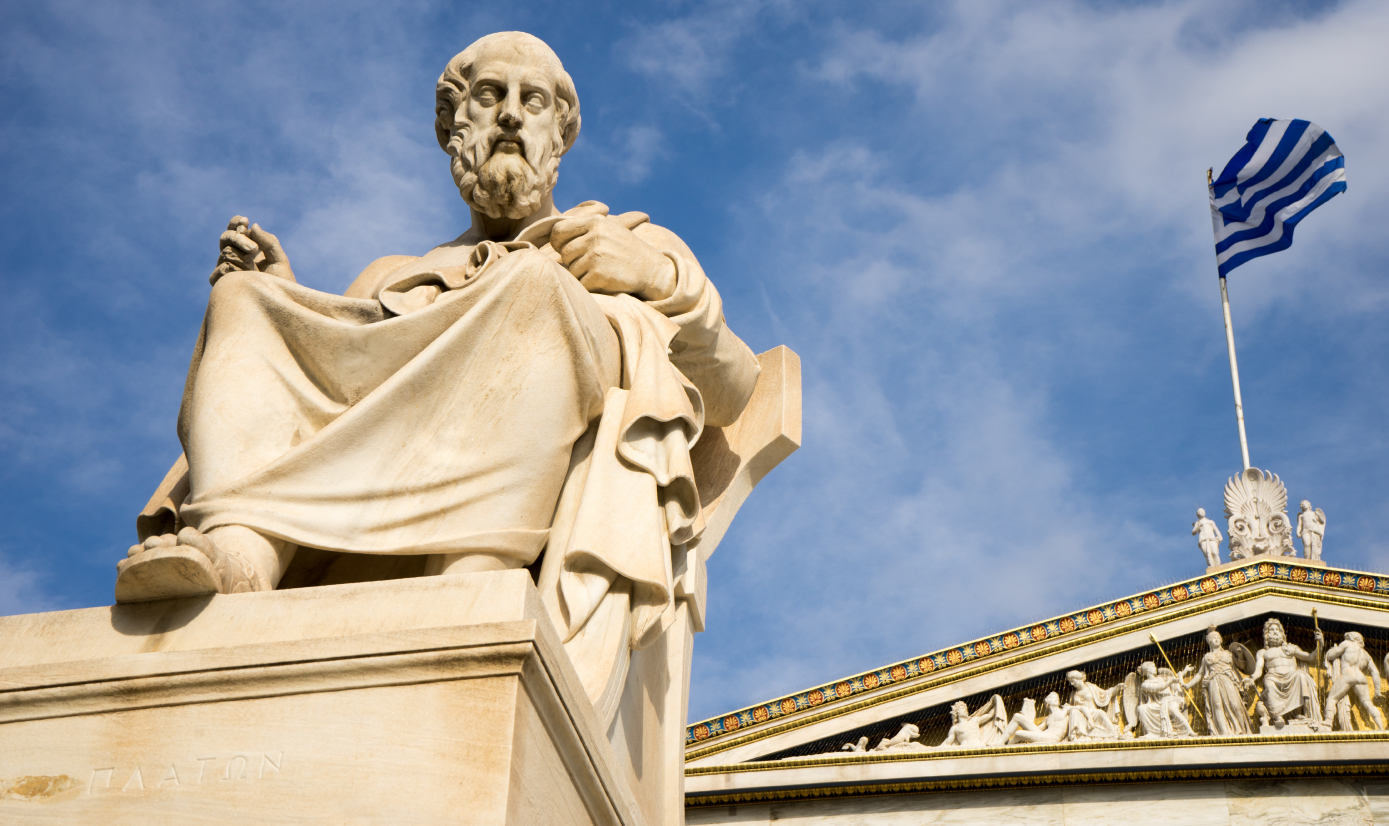
Greek’s remarkable story spans thousands of years. The language shows amazing changes yet keeps its ancient core intact. Today’s Greeks might find it hard to understand Plato’s spoken words, but they write with almost the same alphabet their ancestors used more than three thousand years ago.
The progress from Ancient to Modern Greek happened naturally. The language simplified its cases and changed its pitch accent system to stress. New words came in while the language’s heart stayed the same. Greek stands alone among European languages because it has kept an unbroken written tradition for 34 centuries.
The connection between old and new Greek teaches us a lot about how languages grow. Modern Greek speakers find Koine Greek easier to understand than Classical Greek. Both ancient forms have left their mark on today’s language deeply. Greek creates a living link between classical times and our modern world. This proves that languages can change greatly but still keep their character and cultural importance.
FAQs
Q1. How different is Modern Greek from Ancient Greek? Modern Greek is a direct descendant of Ancient Greek, but with significant changes. While the alphabet remains largely the same, there have been substantial shifts in grammar, pronunciation, and vocabulary over time. Modern Greek has a simplified grammar system compared to Ancient Greek, with fewer cases and verb forms. However, many core words and structures are still recognizable, allowing Modern Greek speakers to understand some ancient texts, especially those from more recent periods like Koine Greek.
Q2. Can Modern Greeks understand Ancient Greek texts? Modern Greeks can often understand texts written in non-archaic forms of Ancient Greek, particularly those from the Hellenistic period onwards. However, the older the text, the more difficult it becomes. While many words remain similar, changes in grammar, syntax, and meaning over time create challenges. Most Greeks study Ancient Greek in school, which helps them better comprehend older texts, but fluent understanding typically requires specialized training.
Q3. What are the main differences in pronunciation between Ancient and Modern Greek? The pronunciation of Greek has changed significantly over time. Ancient Greek had a pitch accent system and distinguished between long and short vowels, features absent in Modern Greek. Many consonant sounds have also shifted; for example, the letter beta (β) changed from /b/ to /v/. Additionally, the complex polytonic writing system of Ancient Greek has been replaced by a simpler monotonic system in Modern Greek, reflecting these pronunciation changes.
Q4. How has Greek vocabulary evolved from ancient to modern times? While a significant portion of Modern Greek vocabulary derives directly from Ancient Greek, there have been notable changes. Many words have survived intact or with slight modifications, but some have changed meanings over time. Modern Greek has also incorporated loanwords from various languages, including Turkish, Italian, and English, reflecting historical influences. Despite these changes, the core vocabulary of Modern Greek shows remarkable continuity with its ancient predecessor.
Q5. Are there any grammatical structures from Ancient Greek that have disappeared in Modern Greek? Yes, several grammatical features of Ancient Greek are no longer present in Modern Greek. The dative case has been largely eliminated, with its functions absorbed by other cases or prepositional phrases. The infinitive form of verbs has disappeared, replaced by subjunctive constructions. The optative mood, used for expressing wishes and potential situations in Ancient Greek, is also absent in Modern Greek. Additionally, the dual number, used for pairs in Ancient Greek, no longer exists in the modern language.