

Studies show that 89% of employees feel they could do better work if their jobs included game-like elements. The numbers for gamification of learning paint an even better picture. Companies that gamify their training see a staggering 98% completion rate, while traditional methods only reach 15%.
These statistics tell a powerful story. Our data shows that gamified learning drives 3.5 times more participation from learners. Smart gamification strategies and well-crafted examples create learning spaces that both teach and inspire learners to push their boundaries.
This piece explores the psychology that makes gamification work. You’ll discover proven techniques and learn how to apply these strategies to boost learning outcomes across different age groups.
The Psychology Behind Successful Gamification of Learning

The brain loves games – and science tells us exactly why. Looking at successful learning platforms like Ellinopoula shows that the psychology behind gamification isn’t just clever marketing. It’s rooted in how our brains process information, form memories, and stay motivated.
How gamification triggers dopamine release
Our brains have a natural reward system that releases dopamine – a neurotransmitter that makes us feel pleasure and satisfaction when we achieve goals or enjoy something. Gamification taps into this biological process to make learning more fun and effective.
Each time a child gets points, unlocks a badge, or finishes a level in a gamified learning environment, their brain releases dopamine. This chemical creates pleasure that motivates them to keep learning and dive deeper into the material.
This reward cycle works really well because:
- The brain releases dopamine before and after achievements, which keeps motivation high
- Surprise rewards (like unexpected badges or bonus points) create stronger dopamine responses than expected ones
- The good feelings from these rewards help kids associate learning with fun
Platforms like Ellinopoula use this through their points systems and achievement badges for Greek language learning. Kids see their progress and get instant feedback for correct answers. Their brains then create positive connections with learning Greek, which makes them want to practice more.
Creating emotional connections through play

The reward system isn’t the only reason gamification works – it also builds real emotional bonds with the learning material. Research shows we’re not just rational beings. Our old brain (instinct) and mid brain (emotion) shape how our new brain (rational thinking) handles information.
Stories play a vital role in this emotional bond. Our brains release oxytocin – a chemical that builds trust and empathy – when we get caught up in a story. Information in stories becomes easier to remember and the brain sees it as more trustworthy.
Gamified learning with meaningful stories about Greek mythology or traditions doesn’t just make learning fun. These experiences help the brain build stronger neural pathways for that information.
On top of that, good design and esthetics fuel these emotional reactions. The sights and sounds in gamified platforms create rich learning environments that boost memory. Ellinopoula teaches the Greek alphabet through colorful, interactive Alphabet Bubbles. This creates an experience that helps kids remember better.
Why the brain remembers gamified content better
Our brains have limits on what they can process. Old-school learning often overloads the brain, which makes information harder to absorb. Gamification solves this problem by matching how our brains naturally process and store information.
Spaced repetition shows up often in gamified learning platforms. This technique reviews information at growing intervals, which lines up perfectly with how our brains unite memories over time. Ellinopoula presents Greek vocabulary through step-by-step challenges across different games. This approach optimizes how memory forms at a brain level.
Immersive simulations give another edge for retention. Cognitive Load Theory shows that learning in context helps information stick. Gamified platforms present Greek language concepts through interactive stories and cultural scenarios. This makes it easier for learners to remember and use what they learn.
The brain learns best with instant feedback. Gamified environments that respond right away to actions strengthen correct information and fix mistakes quickly. This constant feedback loop builds stronger neural connections to the material.
The biggest advantage might be how gamification combines several memory-boosting elements: challenges, new experiences, social interaction, and emotional engagement. This creates what neuroscientists call “flow” – when students get so absorbed in learning that time seems to disappear. This deep focus leads to better understanding and retention.
Understanding these psychological principles helps educators and parents see why gamified platforms work so well for teaching languages like Greek to kids of all ages.
Core Elements of Effective Learning Gamification
Adding game elements to educational content isn’t enough to create effective learning experiences. The best implementations need a careful balance of core components that boost engagement and ensure students retain knowledge.
Points and rewards systems that work
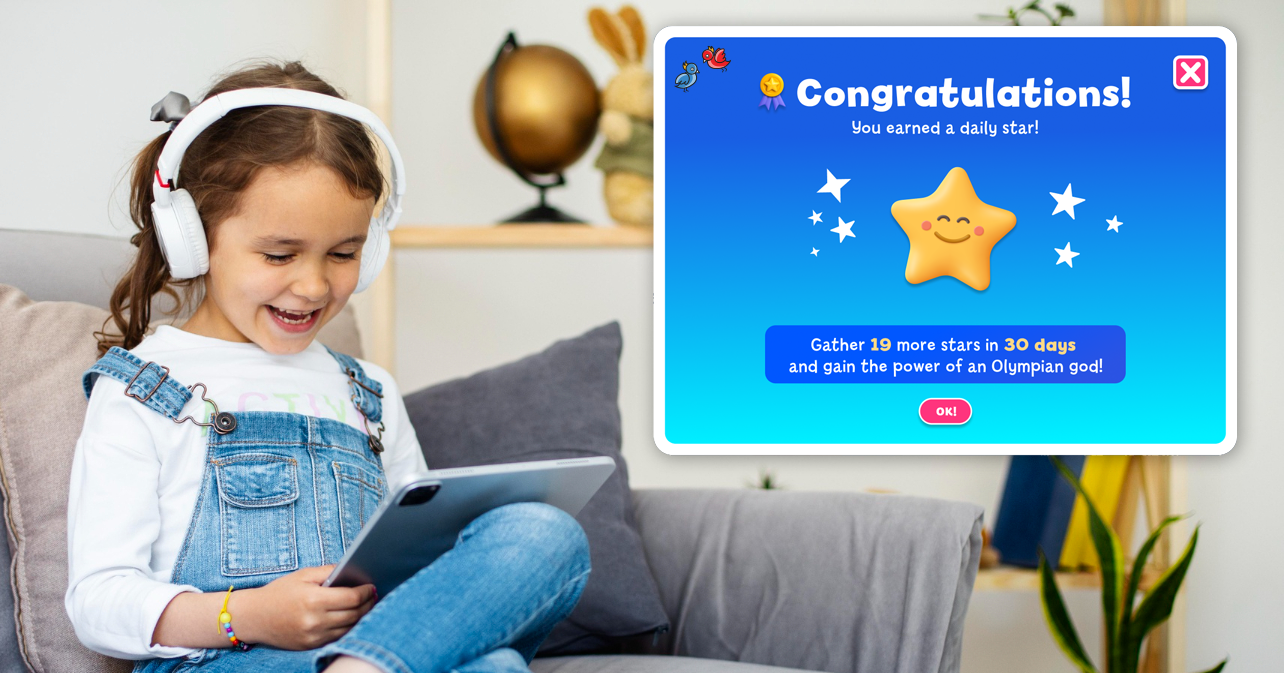
Points form the backbone of most gamified learning systems. These digital currencies give instant, measurable feedback on achievements that show how well learners progress. Traditional grading systems pale in comparison to platforms like Ellinopoula, which offers detailed feedback tied to specific actions. Students can track their Greek language skills’ development.
A well-designed points system needs thoughtful implementation. The best systems:
- Link points to meaningful learning activities, not trivial tasks
- Show clear ways to earn points
- Give opportunities through different learning styles
- Strike a balance between internal and external motivation
Points excel when they spark both external motivation (rewards) and internal drive (accomplishment). Without proper balance, learners might face the “overjustification effect,” where rewards actually reduce internal motivation.
Progress tracking and achievement badges
Badges showcase major milestones while points track daily progress. These digital achievements recognize key accomplishments and build pride that drives continued learning.
Kids on Ellinopoula earn colorful badges as they master Greek language skills. They might get one after finishing an alphabet lesson or using the SpeakUp tool. These badges mark progress, give recognition, help set goals, and encourage exploration.
Multiple visualization methods make progress tracking more effective. Growth charts show improvement patterns over time, while badge displays highlight both earned achievements and empty spots that motivate completing missing goals.
Competitive vs. collaborative gamification strategies

Students respond differently to various motivational approaches. Leaderboards rank performance and create healthy competition that excites some students. The competitive approach needs careful handling since it might discourage students who aren’t top performers.
Collaborative gamification builds teamwork toward common goals. Students learn cooperation, social skills, and peer learning—abilities that last beyond school years. Ellinopoula mixes both approaches. Kids can compete individually or join group challenges that build community.
Research shows mixing multiple strategies works better than using just one gaming element. A study revealed substantially higher performance levels in gamified environments that combined competition, collaboration, and adaptive elements.
Narrative-driven learning experiences
Stories stand out as the most powerful element in gamified learning. Engaging narratives turn basic educational tasks into adventures that connect emotionally with the material.
Story-based content becomes more relatable and easier to remember. Research indicates narratives can boost knowledge retention by up to 65%. Stories activate multiple brain regions, which strengthens neural connections and makes information stick.
Ellinopoula utilizes this concept by weaving Greek language learning into cultural stories and myths. Kids help mythological characters complete quests instead of just memorizing vocabulary. They learn Greek words and cultural concepts naturally.
Narrative-driven learning works best when it:
- Builds emotional bonds through relatable characters
- Gives context to abstract concepts
- Makes learning feel adventurous
- Links language with cultural understanding
Platforms like Ellinopoula create engaging learning environments by combining points, progress tracking, balanced competition and collaboration, and compelling narratives. Students don’t just learn Greek language skills—they enjoy the whole process and remember what they learn.
How Gamification Transforms Language Learning
Language learning often requires memorization and repetition. These activities can feel boring without the right approach. Gamification has revolutionized this process and turned monotonous tasks into something that students enjoy. Platforms like Ellinopoula show how game elements can turn language learning from a chore into an adventure.
Making vocabulary acquisition fun and memorable
Students rarely retain information through traditional rote memorization. Gamified vocabulary learning creates positive connections that help improve memory formation and recall.
Research shows that gamification in vocabulary teaching positively influences student motivation. Students see it as the quickest way to learn and practice new words. This happens because students encounter vocabulary multiple times through trial and error in meaningful contexts.
Ellinopoula uses several proven vocabulary gamification strategies:
- Points and rewards systems that give instant recognition for achievement
- Competitive elements that motivate children to review words often
- Visual progress tracking that shows learners their improvement
- Alphabet games like “Alphabet Bubbles” that make simple letter recognition fun
The research backing this approach shows clear results. Students who learn vocabulary through gamified methods show immediate and delayed vocabulary gains matching traditional classroom methods. The rewards system in gamified environments also affects cognitive, emotional, and social learning areas.
Grammar practice through interactive challenges
Grammar remains one of the hardest parts of language learning. Many advanced learners still find it confusing. Gamification offers a solution that makes grammar less scary, especially for young learners.
Interactive grammar games help children learn parts of speech through fun activities instead of dry explanations. Students develop tools that make correct grammar natural and build confidence in writing.
Ellinopoula’s grammar games break complex concepts into manageable challenges. Their interactive activities for Greek verb conjugation turn tedious exercises into engaging puzzles with instant feedback.
This method works because it cuts down anxiety and increases student involvement. Games create an environment where students feel relaxed through their natural fun element. Quick feedback in gamified grammar activities lets students spot and fix mistakes right away, which reinforces proper usage and keeps them motivated.
Cultural immersion via gamified storytelling

Gamified language learning’s most powerful feature connects vocabulary and grammar to real cultural contexts through storytelling.
Games and immersive tech create interactive experiences that boost cultural understanding. Learners use language in context rather than as separate pieces through interactive stories and gameplay.
Ellinopoula stands out by weaving Greek language lessons into mythology and cultural stories. Children help mythological characters complete quests or join virtual Greek holiday celebrations instead of just memorizing words. This creates emotional bonds that boost retention and understanding.
Studies show that gamified storytelling builds strong connections between users and cultural heritage. Understanding how these applications work for different audiences helps make education available to more people.
Gamified language learning succeeds because it turns academic exercises into meaningful experiences. Platforms like Ellinopoula combine vocabulary, grammar, and cultural immersion in fun game frameworks to make Greek language learning enjoyable for children worldwide.
Age-Appropriate Gamification Strategies
The right gamification strategy can fascinate different age groups in unique ways. What works for a preschooler is completely different from what makes a tween participate. Successful learning platforms understand these developmental differences and adapt their gamification strategies. Let me show you how Ellinopoula customizes its approach for different age groups who are learning Greek.
Preschoolers (3-5 years): Visual and audio engagement

Preschoolers respond best to immediate sensory feedback and simple interaction patterns. Their developing brains quickly absorb visual and auditory stimulation that reinforces simple concepts.
Ellinopoula uses bright colors, cheerful music, and animated characters to keep young learners engaged. The platform’s Alphabet Bubbles game, to cite an instance, makes Greek letter recognition fun with sounds that reward correct choices.
Research shows that musical soundtracks and positive reinforcement help young children stay focused and perform better. Their motivation increases when they see visual rewards like confetti explosions and hear applause after completing activities.
Ellinopoula helps this age group with:
- Short, focused activities that match limited attention spans
- Character-driven narratives featuring familiar figures like Caillou and The Smurfs (dubbed in Greek)
- Simple gesture controls suitable for developing motor skills
- Multi-sensory learning experiences that combine visual, auditory, and interactive elements
Elementary age (6-9 years): Quest-based learning

Elementary-aged children thrive with structured gamification that has clear goals and visible progression. Quest-based learning works especially well at this developmental stage.
This approach presents educational content as pathways or missions. Students gain a sense of control while staying on track educationally. Ellinopoula creates quests where children become “time-traveling detectives” who explore Greek history or “miniaturized explorers” who find Greek vocabulary inside everyday objects.
Research shows that quest structures give children autonomy that boosts motivation. Instead of isolated exercises, Ellinopoula’s quests weave Greek language concepts into exciting narratives. Each completed challenge opens the door to new adventures.
This balanced approach mixes structure with choice. Students can pick subtopics ranging from Greek mythology to daily life vocabulary. These personalized trips maintain interest while covering all language fundamentals.
Older children (10-12+): Social and competitive elements
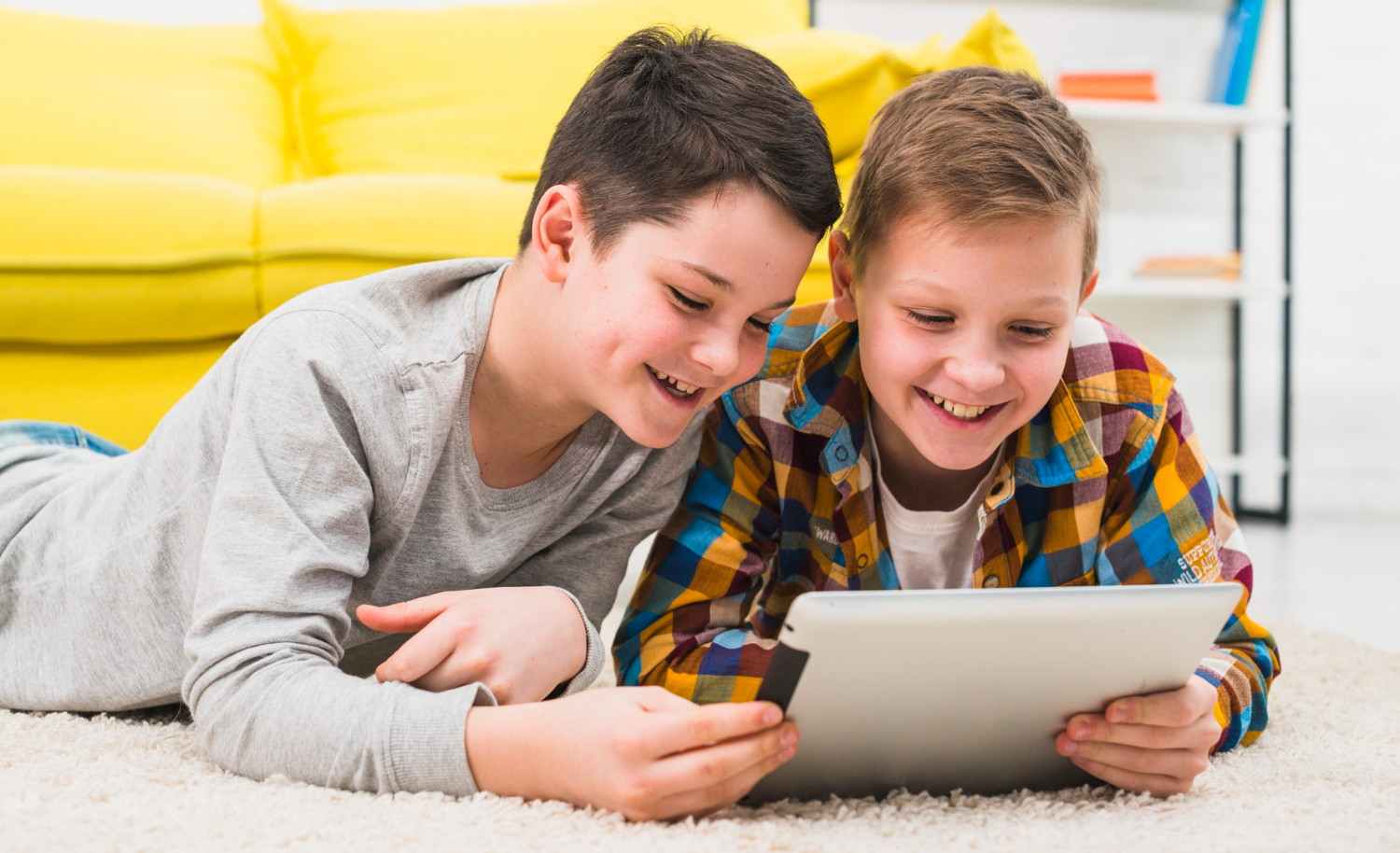
Social awareness and competitive drive develop as children grow older. Gamification strategies that include peer interaction and achievement recognition work better at this stage.
Ellinopoula introduces leaderboards for tweens and early teens to showcase progress. This promotes healthy competition and continued engagement. Unlike younger learners who love immediate rewards, older children value sophisticated achievement systems that display their Greek language skills.
Research reveals that many older students “binge” on educational content when it’s properly gamified. They complete extra work because they enjoy it. Ellinopoula builds on this by offering “side quests” – additional challenges for fast-finishers or motivated learners.
Team-based challenges become powerful motivators at this age. Students can show off their Greek language skills while building cooperation and communication abilities. These social elements keep them interested even as other subjects demand more attention.
Ellinopoula creates an effective learning experience that grows with each child. The platform guides learners from basic letter recognition to advanced Greek language proficiency by matching gamification strategies to developmental stages.
Real-World Gamification Examples That Drive Results
Success stories of learning gamification show why these methods work better than traditional teaching approaches. Ground examples prove that well-designed game elements can turn boring learning tasks into experiences that students want to join and that produce measurable results.
Alphabet Bubbles: Making letter recognition exciting
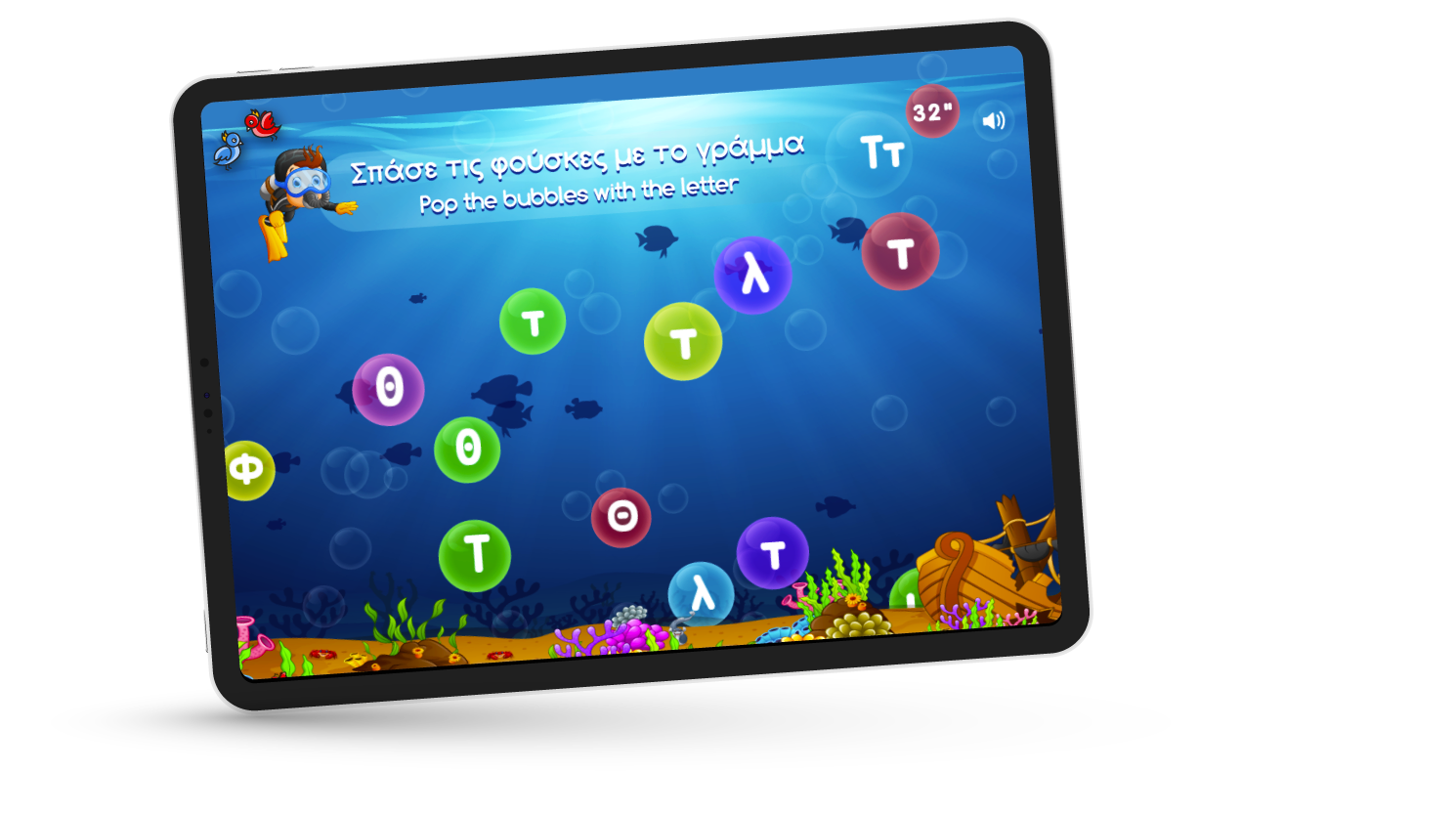
Alphabet Bubbles turns basic letter recognition into an activity where children pop bubbles with letters matching sounds they hear. This simple yet practical approach helps children build significant phonological awareness and letter-sound association skills. Students who use Alphabet Bubble games develop better literacy skills as they enjoy the colorful, user-friendly interface.
The game works because it combines quick feedback with progressive challenges. Children earn points right away when they match letters to sounds correctly. This system strengthens their letter recognition skills and knowledge of alphabetical order through an entertaining format. Cheerful music and appealing visuals keep students interested.
Mythological quests for cultural learning
Mythological quests are a great way to get students to learn language while exploring cultural heritage. Story-driven experiences let learners discover traditions from a variety of cultures through immersive storytelling.
Role-playing games with mythology from different cultures give students chances to:
- Learn about cultural beliefs and traditions through engaging stories
- Link language learning to real cultural situations
- See historical concepts through first-person views
- Build a better understanding of different worldviews
Studies show that turning cultural heritage into games creates both fun and meaningful experiences. Students find the learning process intellectually stimulating and personally rewarding.
Speech recognition games for pronunciation practice
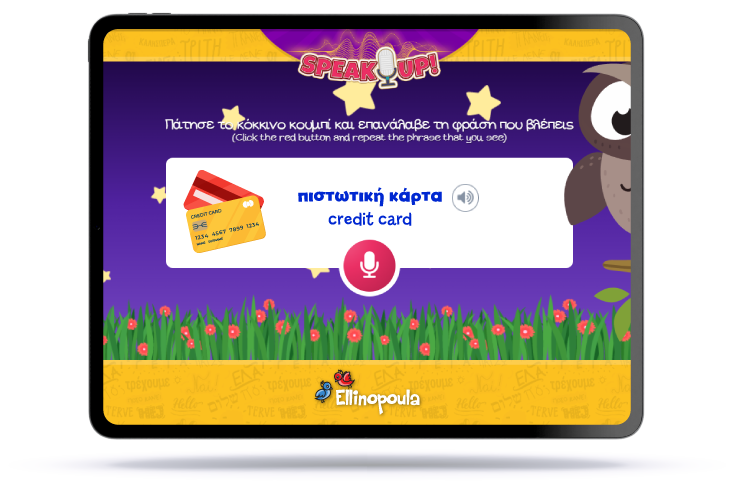
Speech recognition technology opens new ways to make one of language learning’s toughest challenges more fun: pronunciation. Modern speech recognition games give quick, specific feedback about pronunciation mistakes. Students listen, spot errors, and try again with renewed motivation.
These games check everything from how well you speak full sentences to individual sounds. Practice becomes fun instead of frustrating. Players get scores on how accurately they pronounce words, how fast they speak, and how smoothly they talk. What used to be subjective feedback now becomes clear data that shows real progress.
Interactive videos with knowledge checks
Interactive videos offer another powerful way to turn passive watching into active learning. Teachers can place questions right inside videos to keep students engaged and collect useful information about what they understand.
Research proves that adding interactive elements to educational videos makes students pay more attention and remember more information. Knowledge checks create helpful learning challenges. Students must recall and use information right after they learn it—a proven method that helps them remember better.
Personal experience with these gamification examples shows their value. They change learning from just watching into actual doing, which creates both enjoyment and clear results.
Measuring Success in Gamified Learning Environments

Gamified learning’s success depends on knowing how to measure outcomes accurately. Parents and educators need solid proof that these methods produce actual learning results, beyond just adding game elements.
Beyond engagement: Assessing actual knowledge retention
Success in gamified learning needs more than surface-level engagement to assess knowledge retention. Studies show gamification can boost retention rates by up to 70%. Interactive and immersive experiences create memorable learning moments. Key tracking elements in gamified learning environments include:
- Completion rates – Learners finishing a course increase when content breaks into manageable, gamified modules
- Quiz and assessment scores – Clear indicators of learning outcomes measure actual knowledge acquisition
- Skill acquisition metrics – Students apply new competencies in ground scenarios effectively
Barclays showed this approach in action—their gamified assessment revealed impressive knowledge retention rates. Students retained 98% of physical security concepts and 89% of resilience concepts three months after training. These results prove gamification improves knowledge retention while making learning enjoyable.
Tracking progress through learning dashboards

Learning dashboards have become powerful tools to visualize progress in gamified environments. These interfaces give up-to-the-minute feedback that helps students and educators understand performance quickly.
Effective dashboards like Ellinopoula’s transform complex learning data into practical information through color-coded progress indicators, achievement displays, and skill mastery visualizations. Research shows student’s performance improves with dashboard engagement—one study found a 5.8-point improvement in final grades with increased dashboard use.
Progress bars, achievement levels, and milestone markers help learners see their growth throughout their experience. These visual tools create motivation by showing visible progress.
Balancing fun and educational outcomes
Gamification brings great benefits but faces a key challenge: finding the right mix of entertainment and educational outcomes. Game elements might overshadow learning objectives without careful design.
Successful platforms like Ellinopoula arrange game mechanics with specific learning goals. Points, badges, and leaderboards must strengthen actual Greek language acquisition instead of just entertaining. This creates what educators call “meaningful gamification“—where fun supports learning rather than replacing it.
Regular assessment using proper metrics maintains this balance and ensures engagement leads to Greek language proficiency. Parents can verify their children learn while they play by monitoring both enjoyment and educational progress.
Conclusion
Science shows how gamification enhances learning naturally. Our brains respond instinctively to game-like elements, rewards, and storytelling. Platforms like Ellinopoula use points systems, progress tracking, and narrative-driven experiences that turn Greek language learning from a routine task into an exciting adventure.
Results prove this approach works. Students who learn through gamified methods show substantially higher engagement. They retain knowledge better and are more willing to continue their studies. Parents and teachers see how game elements encourage children to practice more often while enjoying themselves.
Successful gamification adapts seamlessly to various age groups and learning styles. Visual rewards and simple interactions work best for preschoolers. Elementary students thrive with quest-based learning. Older children respond positively to social elements and healthy competition.
Smart gamification that balances fun with real learning outcomes shapes education’s future. Research studies and examples demonstrate that thoughtful implementation creates an ideal environment. Children absorb language naturally and stay motivated throughout their learning experience.
Let your child begin their Greek language adventure with Ellinopoula’s free 7-day trial and watch them find the joy of learning through play.
FAQs

Q1. How does gamification enhance learning? Gamification enhances learning by triggering dopamine release in the brain, creating emotional connections through play, and improving memory retention. It transforms mundane educational tasks into engaging experiences that motivate learners and make information more memorable.
Q2. What are some key elements of effective learning gamification? Effective learning gamification incorporates points and rewards systems, progress tracking, achievement badges, competitive and collaborative strategies, and narrative-driven learning experiences. These elements work together to create an engaging and motivating learning environment.
Q3. How does gamification transform language learning? Gamification transforms language learning by making vocabulary acquisition fun and memorable, turning grammar practice into interactive challenges, and providing cultural immersion through gamified storytelling. This approach helps learners engage more deeply with the language and retain information better.
Q4. Are gamification strategies different for various age groups? Yes, gamification strategies differ based on age groups. Preschoolers (3-5 years) respond well to visual and audio engagement, elementary-age children (6-9 years) benefit from quest-based learning, and older children (10-12+) engage more with social and competitive elements in gamified learning.
Q5. How can success be measured in gamified learning environments? Success in gamified learning environments can be measured by assessing actual knowledge retention, tracking progress through learning dashboards, and balancing fun with educational outcomes. It’s important to look beyond surface-level engagement and evaluate concrete learning results.