

English has changed drastically since Shakespeare’s time. Ancient Greek, however, has stayed remarkably stable since the Gospels were written. Greek speakers now number at least 13.5 million, mostly in Greece and Cyprus. The language’s roots trace back to Mycenaean Greek around 1400 BC, making it one of the world’s oldest written languages. Its reach extends way beyond its geographical boundaries. The Greek alphabet laid the foundation for many modern writing systems, including Latin and Cyrillic.
Understanding Ancient Greek’s Living Status
Let’s get into what makes a language ‘dead’ to understand Ancient Greek’s status. A dead language no longer serves as any speech community’s native language. These languages might still be used in specific contexts but lack everyday communication among native speakers.
Ancient Greek holds a special place among classical languages. It differs from truly extinct languages that have no speakers at all. People still use Ancient Greek in different ways. Modern authors write in Ancient Greek sometimes, as shown by translations of current works like Harry Potter and some volumes of Asterix. On top of that, many organizations and people, especially in Greece, use Ancient Greek to show their cultural respect.
Today’s Greeks can partly understand texts written in non-archaic forms of ancient Greek, which shows the amazing continuity between these linguistic stages. Studies reveal that someone who knows Modern Greek can understand about 50% of ancient Greek texts because they share root words.
The language’s rise from ancient to modern forms shows a gradual change instead of a sudden stop. This shift included phonetic, grammatical, and semantic simplification while keeping the core elements of the language’s rich heritage. Ancient Greek still shapes modern technical terms across European languages. Its distinct status becomes clearer through its current use in scholarly and church-related areas. Nobody speaks it as their native language anymore, but its influence continues through:
- Scientific terminology and academic discourse
- Religious texts and liturgical practices
- Classical studies and literary preservation
The language’s remarkable stability throughout history makes it different from other classical languages. Linguistic experts say Homeric Greek is more similar to modern Demotic Greek than 12th-century Middle English is to today’s English. This historical continuity highlights Ancient Greek’s special role among classical languages.
Greek speakers today see ancient literary works as part of their own language heritage rather than a foreign tongue. This cultural connection and the language’s constant presence in the Mediterranean region for over three millennia strengthen It’s unique position as a classical language that remains deeply rooted in modern cultural and academic settings, even though people don’t actively speak it.
The Cultural Bridge Across Millennia
Byzantine monasteries were the guardians of ancient Greek knowledge through the ages. These spiritual centers became learning hubs where devoted monks carefully copied and protected classical literature. The monasteries of Mount Athos managed to keep vast collections of ancient Greek literature among their theological books.
Religious and Literary Preservation
Monastic scribes deserve credit for saving ancient Greek texts by spending countless hours copying manuscripts. These scholarly monks didn’t just create copies – they made the writings better with detailed notes called ‘scholia’. Monasteries became safe havens for Greek treasures during unstable times and protected them even after the Ottomans conquered Constantinople in 1453.
Academic Traditions and Classical Studies
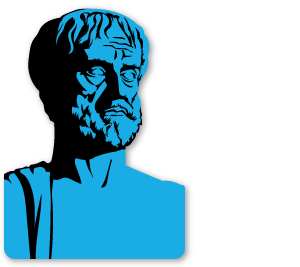
Greek classics reaching Latin Western Europe changed Western intellectual thought forever. Byzantine scholars fled to Western Europe with original Greek manuscripts as East-West connections grew stronger. This sparked new interest in Greek language education and translations. William of Moerbeke’s work in the thirteenth century helped everyone understand Greek philosophy better, especially Aristotle’s ideas.
Modern Greek Cultural Connections

Ancient Greek literature shapes modern culture in countless ways. The language has substantially influenced scientific and medical terms. Greek mythology’s power in Western culture ranks second only to Christianity. This rich legacy shows up in European art and literature from Roman times to today.
Students who want to connect with this heritage can find great programs to learn Greek. These programs mix old and new teaching methods to keep the language alive for future generations. Ancient Greek stays relevant by connecting past and present while inspiring new classical scholars.
Christian monks’ careful hand-copying of texts saved classical literature from being lost. Eastern monasteries did most of this preservation work. They kept Greek texts next to religious works, creating an unbroken chain between ancient wisdom and modern scholarship.
Ancient Greek in Today’s Education

Ancient Greek education has grown beyond traditional classrooms and adapted to modern teaching methods. Schools worldwide now see the value of classical languages in developing young minds. Students at Italian state-run schools must take Latin in the Liceo Scientifico. The Liceo Classico curriculum requires both Latin and Ancient Greek.
School Programs and Curricula

Modern Ancient Greek programs blend traditional grammar-translation methods with new teaching approaches. Students work on two key areas: translation and interpretation. Translation exercises help them become skilled at grammar and vocabulary. This knowledge lets them convert written passages into their native language. Students learn Greek vocabulary by identifying root words. More than 50% of English words come from Greek roots.
The program connects students with Greek mythology, literature, and historical texts. Teachers assess student’s knowledge through various methods. These include matching exercises for mythology, oral quizzes for vocabulary, and essays that show understanding of historical concepts.
Benefits for Modern Language Learning

Ancient Greek study gives students significant cognitive advantages. Greek students show better problem-solving skills and develop systematic thinking patterns. The language structure helps students think logically, much like solving math equations.
Ancient Greek study brings remarkable academic benefits:
- Better vocabulary understanding through word origins
- Stronger analytical skills from complex grammar study
- Greater appreciation of classical literature and philosophy
- Solid foundation to learn other languages
Studies show Greek students excel at tasks that need cognitive flexibility and creativity. The language’s complex grammar requires deep focus. Students learn to concentrate better for long periods.
Ancient Greek education promotes critical thinking while preserving classical knowledge. Modern teaching methods and digital tools give students access to this timeless language. Traditional learning combined with new teaching techniques keeps Ancient Greek relevant in today’s education.
Preserving Ancient Greek for Future Generations

Modern technology has created new ways to preserve and teach Ancient Greek. Digital platforms and community-driven initiatives help this classical language thrive in the 21st century.
Digital Archives and Resources

The Perseus Digital Library serves as the life-blood of digital preservation and provides a vast collection of Greek texts with translations and study tools. The Thesaurus Linguae Graecae has digitized most Greek texts from Homer to the fall of Byzantium, which creates a detailed digital corpus. Scholars and students now have unprecedented access to ancient texts through these resources.
Community Initiatives

Educational institutions across the globe have developed programs that keep Ancient Greek relevant today. The Open University has designed interactive courses for beginners that feature authentic Greek inscriptions from ancient coins and vases. Universities have worked together to create open-source platforms that make Greek texts available to wider audiences.
Teaching Methods for Young Learners

New teaching approaches make Ancient Greek engaging for young students. Games, puzzles, and language activities boost learning skills in interactive ways. Students visit ancient sites and museums to connect with the language’s historical context through hands-on learning techniques.
These innovative teaching methods show results through:
- Learning practices that blend sensory stimulation with environmental interaction
- Project-based activities that enhance higher-order thinking and social collaborative skills
- Interactive quizzes and vocabulary exercises tailored for different learning stages
Preservation efforts reach beyond traditional academic settings. Digital archives now hold over 80 million words of ancient Greek texts. This ensures future generations can access this classical language. Ancient Greek is nowhere near a dead language – it continues to evolve through modern preservation methods and teaching approaches.
Conclusion

Ancient Greek stands as proof of linguistic endurance that has kept its vitality through three millennia of continuous use. Many classify it as a dead language, but evidence clearly shows its persistent influence in modern education, scientific terminology, and cultural heritage.
Modern Greek speakers know how to understand roughly 50% of ancient texts, which shows the language’s exceptional stability. This connection goes beyond what we see between other historical and modern languages, such as Middle English and contemporary English.
Digital preservation efforts and innovative teaching approaches make Ancient Greek available to new generations. Students of this classical language develop improved analytical abilities, stronger vocabulary comprehension and a deeper appreciation for Western cultural foundations.
Ellinopoula gives children an excellent way to learn Greek through engaging live courses that blend traditional teaching methods with modern interactive approaches. Young learners connect with this rich linguistic heritage and develop valuable cognitive skills through their specialized programs.
Ancient Greek’s future looks bright as digital archives, educational initiatives and dedicated preservation efforts keep deepening its position in modern academia. This classical language shows that ancient wisdom can thrive in our contemporary world when supported by proper care and innovative teaching methods.
FAQs
Q1. Is Ancient Greek still spoken today?
While Ancient Greek is no longer spoken as a native language, its legacy lives on through Modern Greek, which is spoken by over 13 million people worldwide. Ancient Greek continues to be studied academically and used in specialized contexts.
Q2. How different is Ancient Greek from Modern Greek?
Although they are different stages of the same language, Ancient and Modern Greek have significant differences. However, Modern Greek speakers can understand about 50% of ancient Greek texts due to shared root words and grammatical structures.
Q3. Where is Ancient Greek still taught and studied?
Ancient Greek is still taught in many educational institutions worldwide, particularly in classical studies programs. It’s also studied in some high schools, especially in countries like Italy, Belgium, and the Netherlands.
Q4. What are the benefits of learning Ancient Greek?
Learning Ancient Greek can enhance vocabulary comprehension, improve analytical skills, deepen appreciation for classical literature and philosophy, and provide a strong foundation for learning other languages. It also helps develop problem-solving abilities and systematic thinking patterns.
Q5. How is Ancient Greek being preserved for future generations?
Ancient Greek is being preserved through digital archives, community initiatives, and innovative teaching methods. Organizations like the Perseus Digital Library and the Thesaurus Linguae Graecae have digitized vast collections of Greek texts, making them accessible to scholars and students worldwide.