

Learning to speak Greek unlocks one of the world’s most influential languages – one that’s given us countless words we use daily in science, culture, politics, philosophy, and art!
Just by learning simple Greek phrases can lead to remarkable experiences whether you plan a trip to Greece or just love languages. English remains accessible to more people in tourist spots, and we’ve seen how just a few Greek expressions can spark friendly conversations and earn you free local treats!
A new alphabet of 24 letters might seem scary at first. We created this detailed guide to help you learn Greek. You’ll find everything from essential greetings to practical travel phrases that will boost your confidence in speaking Greek.
Ready to start your Greek language trip? Let’s tuck in!
Essential Greek Greetings for Everyday Conversations

Your first step to meaningful interactions with locals starts with learning to say “hello” and “goodbye” in Greek. Greeks warmly welcome visitors who try to speak their language, and they often show their appreciation through hospitality. These simple Greek greetings will help you direct your way through everyday conversations.
Formal vs. Informal Hello in Greek

Greek speakers use different greetings for formal and informal situations. This shows respect and social awareness:
Informal Greetings:
- Γειά σου (YAH-soo) – Perfect for friends, family, and peers
- Γειά (YAH) – A quick “hi” among close friends
Formal Greetings:
- Γειά σας (YAH-sass) – Best for strangers, elderly people, or professional settings
- Χαίρετε (HEH-reh-teh) – Reserved for official situations
A handshake remains the most common way Greeks greet each other, regardless of gender or age. Close friends might share a warm hug or a kiss on the cheek.
Time-specific Greetings (Morning, Afternoon, Evening)
Greek daily life sets the rhythm for different greetings throughout the day:
| Time of Day | Greeting | Pronunciation | Used Until |
| Morning | Καλημέρα | kah-lee-MEH-rah | 12:00 PM |
| Afternoon/Evening | Καλησπέρα | kah-lee-SPER-ah | Late night |
| Night | Καληνύχτα | kah-lee-NEEK-tah | Before bed |
Καλημέρα combines “kali” (beautiful/good) and “imera” (day) to mean “good day”. You’ll hear this greeting everywhere in Greece before noon. Greeks switch to Καλησπέρα after noon and use it throughout the evening.
Greek etiquette expects you to greet people when entering shops, restaurants, or other establishments. Someone greets you first? Just echo their greeting back.
Saying Goodbye in Different Situations
Greek culture values proper conversation endings. Some Greek greetings work as both hellos and goodbyes:
Casual Goodbyes:
- Γειά (YAH) or Γειά σου/σας – Works for both “hello” and “goodbye”
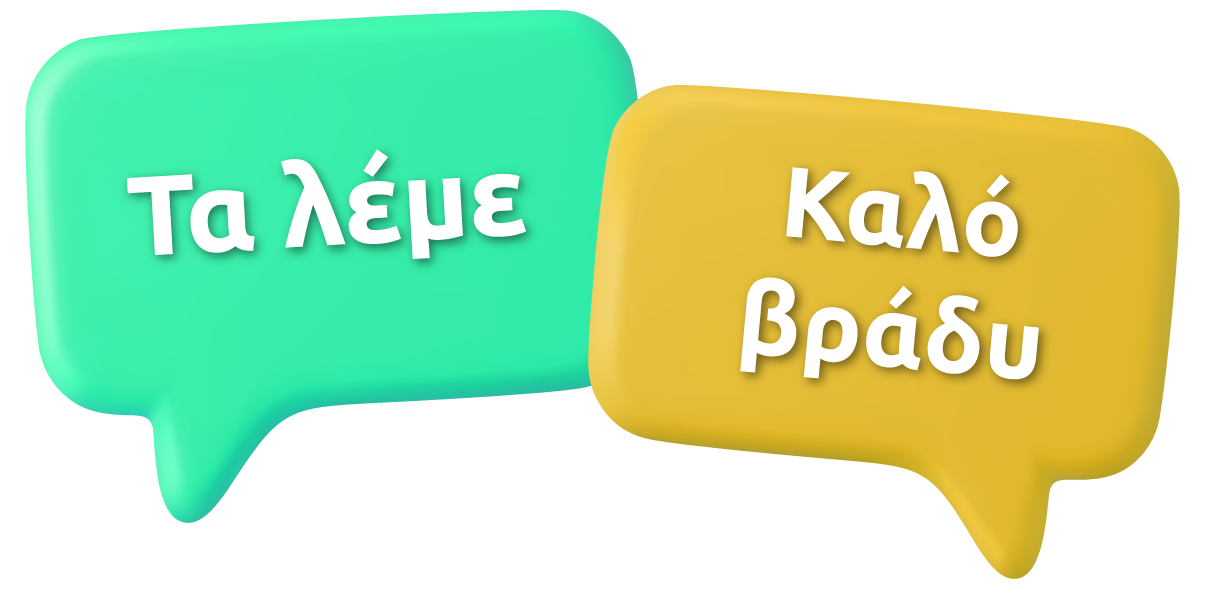
- Τα λέμε (tah LEH-meh) – Means “we will talk” or “see you later”
Time-specific Farewells:
- Καλό απόγευμα (kah-LO ah-PO-yev-mah) – “Have a good afternoon”
- Καλό βράδυ (kah-LO VRAH-thee) – “Have a good evening”
- Καληνύχτα – Perfect for late-night goodbyes or bedtime
Formal or Extended Goodbyes:
- Αντίο (an-DEE-o) – Like “farewell,” used for longer separations
- Εις το επανιδείν (ees to eh-pah-nee-DEEN) – A sophisticated way to say “until we meet again”
Greeks also use specific phrases like Καλό δρόμο (kah-LO DRO-mo) for “have a safe trip” or Καλή συνέχεια (kah-LEE see-NEH-hee-ah) to wish someone a good rest of their day.
Greek greetings shine through their expressiveness. These simple phrases will help you handle social situations smoothly and show your respect for Greek culture. Your efforts to speak the language will create genuine connections during your Greek adventures.
How to Introduce Yourself in Greek

After becoming skilled at Greek greetings, learning proper self-introduction becomes a vital next step. Greeks place high value on personal connections, and your interactions become more meaningful when you know how to share your name and ask simple questions.
Telling Someone Your Name
Greek offers four distinct ways to introduce yourself, each suited for different situations:
For casual settings:
- Με λένε… (Me léne…) – This phrase literally means “They call me…” and stands as the most common choice in daily conversations.
- Είμαι ο/η… (Íme o/i…) – Means “I am…” Men should use “ο” while women use “η” before their name.
For formal occasions:
- Ονομάζομαι… (Onomázome…) – A more formal version of “My name is…” that suits business environments.
- Το όνομά μου είναι… (To ónomá mou íne…) – The literal translation “My name is…” works well in formal settings.
Let’s say your name is Maria. You might say: Με λένε Μαρία (Me léne María) in casual settings or Ονομάζομαι Μαρία Παπαδοπούλου (Onomázome María Papadopúlu) in formal situations.

Asking Simple Questions About Others
The conversation can continue with these questions after introductions:
Name questions:
- Πώς σε λένε; (Pós se léne?) – “What’s your name?” (informal)
- Πώς σας λένε; (Pós sas léne?) – “What’s your name?” (formal)
Origin and personal information:
- Από πού είσαι; (Apó pú íse?) – “Where are you from?”
- Πόσων χρονών είσαι; (Póson hronón íse?) – “How old are you?”
- Πού δουλεύετε; (Pú dulévete?) – “Where do you work?” (formal)
- Πού ζεις; (Pú zis?) – “Where do you live?” (informal)
Language questions:
- Μιλάς ελληνικά; (Milás eliniká?) – “Do you speak Greek?”
- Πού έμαθες ελληνικά; (Pú émathes eliniká?) – “Where did you learn Greek?”
- Πόσο καιρό μαθαίνεις ελληνικά; (Póso keró mathénis eliniká?) – “How long have you been studying Greek?”
You can respond using:
- Είμαι από… (Íme apó…) – “I am from…”
- Είμαι… χρόνων (Íme… hrónon) – “I am… years old”
- Ναι, μιλάω λίγο ελληνικά (Ne, miláo lígo eliniká) – “Yes, I speak a little Greek”
Expressing Pleasure to Meet Someone

Meeting someone new calls for polite expressions:
Casual expressions:
- Χαίρω πολύ! (Héro polí!) – “Nice to meet you!” (most common)
- Χάρηκα! (Hárika!) – “Pleased to meet you!” (past tense)
More formal expressions:
- Χάρηκα για την γνωριμία (Hárika ya tin gnorimía) – “Nice to meet you” (more formal)
- Χαίρω πολύ για τη γνωριμία (Héro polí ya ti gnorimía) – “Pleased to make your acquaintance”
Respond to “nice to meet you” with:
- Κι εγώ! (Ki egó!) – “Me too!”
- Παρομοίως! (Paromíos!) – “Likewise!”
A firm handshake accompanies introductions in Greece. These simple phrases will help you handle social situations with confidence and create positive first impressions while speaking Greek with natives.
Practical Greek Phrases for Travelers
Let’s dive into practical travel phrases that will serve as your toolkit while you’re learning Greece. Here’s a collection of the most useful Greek expressions that will help you confidently guide yourself through local markets and tavernas.
Finding Your Way Around

The ability to ask for directions is a vital part of learning Greek cities and islands:
Basic Direction Questions:
- Πού είναι…? (Pou íne…?) – “Where is…?”
- Πώς μπορώ να πάω στο…? (Pos boró na páo sto…?) – “How can I get to…?”
- Πόσο μακριά είναι…? (Póso makriá íne…?) – “How far is…?”
Useful Direction Terms:
| Greek | Pronunciation | Meaning |
| Αριστερά | aristerá | Left |
| Δεξιά | dexiá | Right |
| Ευθεία | eftheía | Straight |
| Κοντά | kontá | Near |
| Μακριά | makriá | Far |
These phrases are great to know: Συνεχίστε ευθεία (Sinehíste efthía) – “Keep going straight ahead” and Στρίψτε δεξιά/αριστερά (Strípste dexiá/aristerá) – “Turn right/left”.
Shopping and Paying for Items

You’ll need specific vocabulary to make your shopping experience smooth:
At the Market:
- Πόσο κάνει αυτό; (Póso káni aftó?) – “How much is this?”
- Πόσο κοστίζει αυτό; (Póso kostízei aftó?) – (A more formal way of asking “How much is this?”)
- Θα το αγοράσω (Tha to agoráso) – “I will buy it”
- Μπορείς να με βοηθήσεις; (Borís na me vithísis?) – “Can you help me?”
- Απλά κοιτάω (Aplá kitáo) – “I’m just looking”
You might want to ask Δέχεστε πιστωτικές κάρτες; (Déchestete pistotikés kártes?) – “Do you accept credit cards?”. Look for signs saying Αγορά (Agorá) – “Proceed to Checkout” when you’re ready to pay.
Greece’s shopping culture values greeting shopkeepers as you enter. This simple act often results in better service and local tips.
Ordering Food and Drinks

Your Greek food adventures start with these restaurant phrases:
- Μπορώ να δω το μενού; (Boro na do to menu?) – “Can I see the menu?”
- Τι προτείνετε; (Ti protínete?) – “What do you recommend?”
- Θα πάρω αυτό, παρακαλώ (Tha páro aftó, parakaló) – “I will have this one, please”
- Μπορώ να έχω ένα ποτήρι νερό; (Boró na ého éna potíri neró?) – “Can I have a glass of water?”
Here are some phrases for dietary needs:
- Είμαι αλλεργικός στους ξηρούς καρπούς (Íme aleryikós stus xirús karpús) – “I am allergic to nuts”
- Περιέχει κρέας; (Periéhi kréas?) – “Does it contain meat?”
Ready to leave? Ask for Το λογαριασμό, παρακαλώ (To logariasmó, parakaló) – “Check, please”.
Getting Help When Needed

These phrases are a great way to get assistance in urgent situations:
- Βοήθεια! (Voíthia!) – “Help!”
- Βοηθήστε με! (Voithíste me!) – “Help me!”
- Χρειάζομαι βοήθεια (Chreiázomai voítheia) – “I need help”
- Θέλω βοήθεια (Thélo voítheia) – “I want help” (more commonly used by Greeks)
Need police? Shout Αστυνομία! (Astinomía!) – “Police!” The emergency number in Greece is 100.
If something isn’t clear, just say Δεν καταλαβαίνω (Den katalavéno) – “I don’t understand”.
These practical Greek phrases will without doubt boost your travel experience. You might find pronunciation challenging at first, but Greeks love it when tourists try to speak their language. This effort often rewards you with warmer welcomes and more authentic experiences than those who only speak English.
Understanding Basic Greek Pronunciation

Learning to pronounce Greek words are the foundations of speaking the language well. Greek’s unique sound system might look tough at first, but you’ll get better quickly with regular practice.
The Greek Alphabet Simplified
The Greek alphabet consists of 24 letters: 7 vowels (α, ε, η, ι, υ, ο, ω) and 17 consonants. Greek words sound exactly as they’re written without any silent letters. You’ll find pronunciation straightforward once you grasp the simple rules because of this phonetic consistency.
Each letter keeps the same sound in almost every situation. The only exceptions are a few diphthongs where two vowels combine to create one sound.
Vowel and Consonant Sounds
Greek has a system of five vowel sounds /i, u, e, o, a/. English uses more complex vowel combinations, but Greek keeps it simple:
- α (alpha): Sounds like “a” in “father”
- ε (epsilon): Like “e” in “pet”
- η, ι, υ (eta, iota, upsilon): Sound like “ee” in “feet”
- ο, ω (omicron, omega): Match “o” in “pot”
Some consonants sound familiar, while others need extra attention:
- β sounds like “v” (not “b”)
- γ changes its sound based on the next vowel
- δ sounds like “th” in “then” (not “d”)
- χ sounds like the German “ch” in “Bach”
Common Pronunciation Challenges for English Speakers
American English speakers often find certain Greek sounds tricky.
Pure vowel sounds create the most confusion since English uses diphthongs. Native English speakers often add an “oo” sound when pronouncing Greek “o” instead of keeping it pure.
Word stress patterns can also be challenging. Greek words use an accent mark (´) that shows which syllable needs emphasis. This accent only appears on one of the last three syllables of a word.
The consonants γ, χ, and δ give English speakers the most trouble because they use tongue positions we rarely use in English.
Quick Tips to Learn Greek Language Faster

The right strategies can speed up your Greek language learning trip. You’ll see dramatic improvements in your Greek speaking abilities faster than you might expect if you apply proven techniques.
Daily Practice Methods That Work
Learning Greek works best when you stay consistent rather than intense. Short 15-30 minute daily sessions give better results than long occasional ones. Here’s how to keep making progress:
- Write consistently in Greek—a journal helps you think in the language and shows where your vocabulary needs work
- Create Post-it notes with Greek words around your home as visual reminders
- Read short texts each day—start with subtitles or social media posts before moving to magazines or blogs
- Set small, attainable goals instead of broad ones to stay motivated and track your progress
Using Apps and Online Resources
The digital world gives you great tools to improve your Greek learning:
Ellinopoula is the premium option for kids learning Greek and it offers lots of conversational Greek scenarios for kids to learn how to speak Greek in different settings in Greece. Language Transfer helps beginners with its audio-based “thinking method” that builds strong basics. Duolingo and Clozemaster make vocabulary building fun, while Anki‘s spaced repetition flashcard system works wonders. GreekPod101 offers detailed lessons and pronunciation guides that can take your learning further.
Immersion Techniques Without Living in Greece
You can create a Greek-speaking environment anywhere:
Your digital devices become learning tools when you switch their language settings to Greek. This includes social media platforms and web browsers. Your everyday tech use turns into practice time naturally. Greek media helps too—watch films with subtitles, tune into podcasts, or follow Greek musicians.
Language exchange apps like Tandem or HelloTalk are a great way to get real conversation practice. Regular chats with native speakers give you authentic practice and quick feedback on how you sound and express yourself.
Conclusion

Learning Greek opens doors to rich cultural experiences and real connections with locals. This piece covers everything from simple greetings to practical travel phrases that will help you speak Greek with confidence.
Greek pronunciation takes time to learn and needs consistent practice. You can start with basic hello’s and gradually build your vocabulary. The suggested learning tools will help strengthen your skills. Most learners find that mixing different methods works best – from daily routines to immersion techniques.
Your Greek language experience starts today. Take small steps and practice often. Track your progress as you go. Speaking Greek might look tough at first, but connecting with Greek culture and people makes it worth the effort.
The real joy of Greek comes alive when you use it. Each interaction builds confidence, whether you’re ordering food at a local taverna or finding your way through Athens. Every conversation helps you understand this historic language better.
FAQs
Q1. What’s the best way for beginners to start learning Greek?
For kids learning Greek, Ellinopoula is the award-winning option to Greek language mastery while also learning about Greek culture. For adults, you could start with Language Transfer, a free audio course that teaches Greek from the basics. Combine this with language learning apps, daily practice of 15-30 minutes, and immersion techniques like changing your device language to Greek. Consistency is key in language learning.
Q2. How can I learn essential Greek phrases for traveling?
Focus on learning practical phrases for directions, shopping, ordering food, and getting help. Key phrases include “Πού είναι…?” (Where is…?), “Πόσο κοστίζει αυτό;” (How much is this?), and “Χρειάζομαι βοήθεια” (I need help). Practice these regularly before your trip.
Q3. Is Greek difficult to learn for English speakers?
Greek can be challenging due to its different alphabet and complex grammar. However, it has consistent pronunciation rules and many English words have Greek roots, which can help. With dedicated practice and the right learning methods, it’s certainly achievable.
Q4. How do I improve my Greek pronunciation?
Focus on mastering the Greek alphabet and its sounds. Practice pure vowel sounds, pay attention to stress patterns marked by accent marks, and work on challenging consonants like γ, χ, and δ. Listening to native speakers and using pronunciation guides can greatly help.
Q5. Can I learn Greek effectively without living in Greece?
Yes, you can create an immersive Greek environment anywhere. Use language exchange apps to practice with native speakers, watch Greek films with subtitles, listen to Greek podcasts, and change your digital devices to Greek. Consistent practice with these methods can lead to significant progress.