

The Greek alphabet has only 24 letters – 7 vowels and 17 consonants. This might seem simple, but learning Greek quickly needs more than memorizing these characters.
Learning this ancient language can take just a week to grasp simple concepts or up to a year to speak it well. This depends on your goals – whether you want to visit Greece or connect with your roots. You can speed up this learning experience by a lot with the right approach and regular practice.
Students learn Greek faster when they combine well-laid-out lessons with daily practice. Kids who start their Greek language experience find Ellinopoula’s live courses engaging. These courses are a great way to get simple language skills through fun lessons that include cultural elements.
Set Clear Learning Goals

Measurable goals are the life-blood of learning Greek effectively. Let’s see how you can structure your learning experience to get the best results.
Create a timeline
A realistic timeline becomes vital once you know your target level. Basic conversational skills take 300-600 hours of dedicated study. Intermediate proficiency needs 600-800 hours of learning time.
Your effective timeline should include:
- Daily Commitment: The sweet spot is 45 minutes to 1½ hours daily. This timeframe works best – shorter sessions limit progress while longer ones might not be as effective.
- Strategic Planning: Break your main goal into smaller, achievable targets. Skip vague goals like “becoming fluent.” Focus instead on specific milestones like learning 50 new vocabulary words each month.
- Regular Assessment: Official certifications help track your progress. The Certificate of Attainment in Greek exams happen once a year, usually in mid-May. You can register between February 1 and March 20, 2025.
Parents looking to guide young learners can try Ellinopoula’s live courses. These programs offer structured timelines designed for children. They blend regular assessments with cultural elements to make learning systematic and fun.
Steady progress beats intense cramming. Regular study sessions work better than long, sporadic hours. Your timeline should include review periods and practice sessions that reinforce what you’ve learned.
A well-laid-out approach and steady progress will help you advance through Greek language levels efficiently. Success comes from realistic expectations and commitment to your timeline.
Master Greek Pronunciation
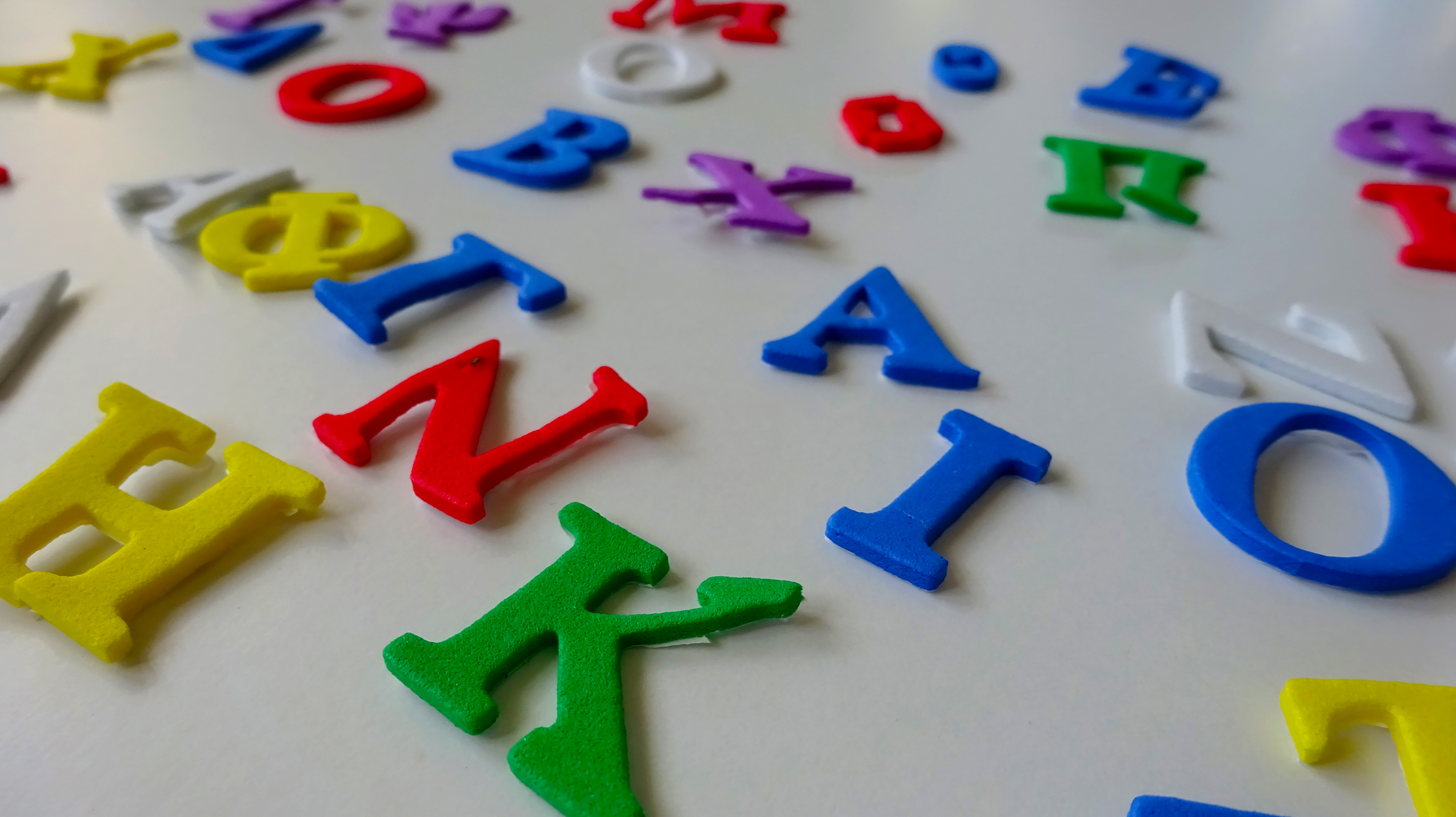
Learning Greek pronunciation starts with its unique phonetic system. The language has 24 letters that include 7 vowels and 17 consonants. These letters create distinctive sound patterns that make Greek special.
Learn vowel sounds
Greek has five simple vowel sounds that are the foundations of pronunciation. You’ll find one-letter vowels α, ε, η, ι, ο, ω, υ. These sounds stay consistent throughout:
- α sounds like ‘a’ in “apple”
- ε sounds like ‘e’ in “egg”
- η, ι, υ sound like ‘ee’ in “teeth”
- ο and ω sound like ‘o’ in “box”
When vowels pair up, they create new sounds:
- αι makes the same sound as ε (like “egg”)
- ει, οι, and υι sound just like η, ι, υ (like “teeth”)
- ου sounds like ‘oo’ in “school”
Practice consonant combinations
Greek consonants group into categories based on their sonority. The voiced consonants are β, γ, δ, ζ, λ, μ, ν, ρ, along with combinations μπ, ντ, γγ, γκ, and τζ. The unvoiced consonants cover θ, κ, π, σ, τ, φ, χ.
The mouth position creates these consonant groups:
- Labial (using lips): π, β, φ
- Palatal (using roof of mouth): κ, γ, χ
- Dental (using teeth): τ, δ, θ
- Nasal: μ and ν
- Liquid: λ and ρ
- Sibilant: σ and ζ
Perfect your accent
Greek accent mastery depends on understanding stress patterns and intonation. Modern Greek uses a single stress mark – a small vertical line that tilts slightly right above letters. This mark, called “acute” or οξεία, only appears on vowels to show which syllable gets emphasis.
Here’s how to boost your accent:
- Pay attention to stress placement – wrong stress can change word meanings
- Work with minimal pairs – words that differ by just one sound, like ‘πάρα’ and ‘παρά’
- Listen to recordings of yourself and compare them with native speakers
Ellinopoula’s live courses are a great way to get specialized pronunciation guidance for children. These interactive lessons help kids learn simple sounds and complex combinations while they explore Greek culture.
Students often find these pronunciation challenges:
- English speakers struggle with τ and π sounds
- The ρ sound gives French speakers trouble
- Digraphs need extra practice, especially ευ and αυ combinations
Here’s the rule for pronouncing ευ:
- Say it as ‘ev’ before vowels or voiced consonants (β, γ, δ, ζ, λ, μ, ν, ρ)
- Say it as ‘ef’ before ξ, ψ, or unvoiced consonants (κ, π, τ, χ, φ, θ, σ)
Greek words follow reliable pronunciation patterns, and unlike English, there are no silent letters. Every letter in a word must be pronounced. This makes Greek pronunciation logical once you learn these simple rules.
Learn Greek Through Activities
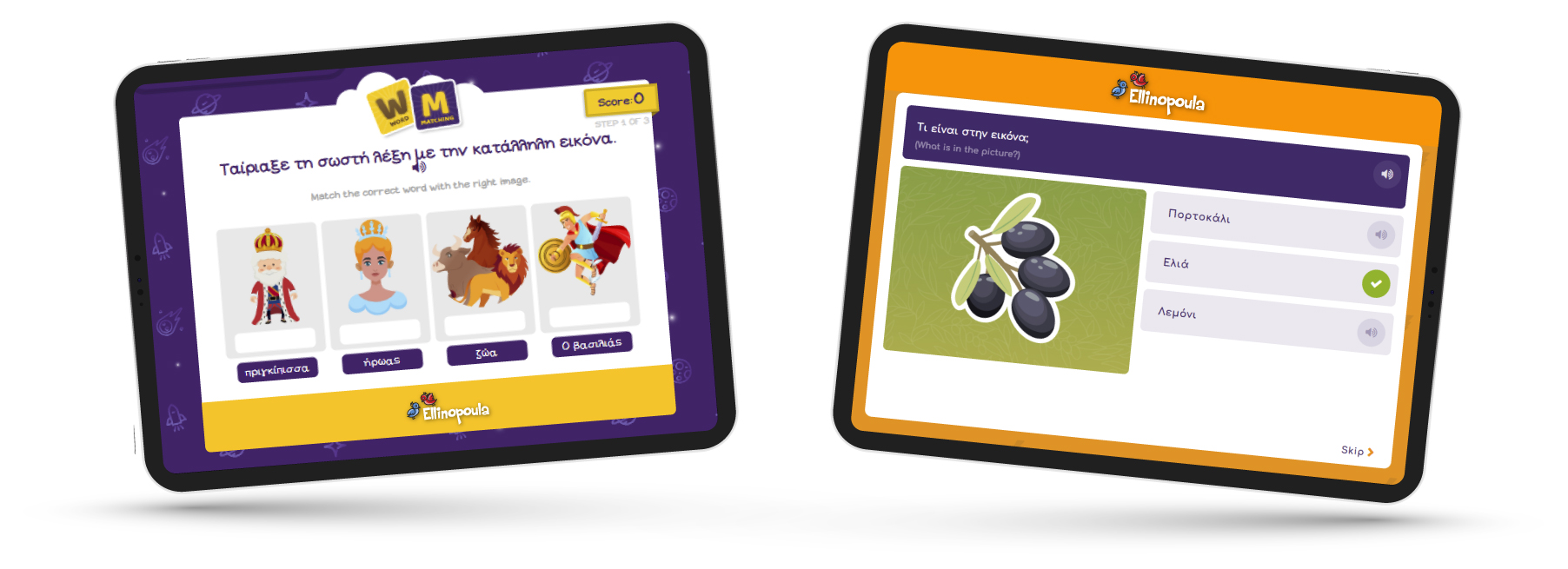
Learning Greek can be an exciting adventure that speeds up your progress through hands-on experiences. Let me share some fun and productive activities that will help you learn Greek.
Play language games
Interactive games help you master Greek vocabulary and grammar concepts. Ellinopoula’s educational platform has thousands of Greek-themed games and quizzes made for young learners. These activities combine Greek mythology, history, and culture to create an immersive learning space.
Here are some game-based learning ideas:
- Vocabulary Bingo: Make cards with Greek words and mark them when their English translations are called out. This helps you remember words better and keeps you engaged.
- Memory Matching: Match Greek words with their meanings or images. Visual connections make it easier to remember words.
- Word Puzzles: Greek vocabulary crosswords and word searches improve your spelling and understanding.
Join Greek cultural events

Greek cultural activities give you great chances to practice the language naturally. These events mix traditional elements with real-world language use in authentic settings.
Greek festivals happen throughout the year and are perfect for learning:
- Food-focused events: Pick up food-related words while trying traditional Greek dishes. You can practice ordering and talking about ingredients in Greek.
- Music and dance gatherings: Try traditional Greek dances like sirtaki or zeibekiko. Dancing and music naturally mix with language learning.
- Holiday celebrations: Jump into festivities such as:
- Greek Independence Day celebrations
- Easter festivities
- Local cultural festivals
Ellinopoula’s live courses help children learn Greek through interactive activities. Their platform tracks student progress and makes learning fun with colorful animations and games.
Here’s how to get the most from these activities:
- Practice consistently: Set aside regular time for language games and cultural events
- Engage actively: Start conversations during cultural events
- Record progress: Write down new words and phrases you learn
These dynamic learning methods will help you learn Greek faster when you add them to your routine. Game-based learning and cultural immersion work together to speed up your understanding and keep you motivated.
Note that activity-based learning adds to traditional study methods by giving you real practice opportunities. Taking part in these fun activities will help you build a stronger connection to Greek language and culture.
Track Your Progress Daily
Your Greek language experience speeds up when you track progress systematically and focus on areas that need work. Let’s look at proven ways to check how well you’re doing.
Keep a learning journal
A language learning journal works like your personal roadmap. It helps you document progress and spot areas where you can improve. Your Greek learning journal should:
- Have simple Greek sentences about your daily life
- List tough vocabulary or grammar concepts
- Show time spent on different learning activities
- Include weekly goals and their completion status
The best results come from having journal sections for:
- New vocabulary with example sentences
- Grammar rules you need to practice
- Questions to ask in your next study session
- Cultural insights you picked up while learning
Journaling helps boost several parts of learning:
- Builds critical thinking skills
- Makes you more confident and motivated
- Lowers test anxiety
- Builds better self-regulation skills
Kids who take Ellinopoula’s live courses get fun and engaging tools that make progress tracking natural.
Record speaking exercises

Recording yourself can really boost your Greek pronunciation and speaking confidence. Studies show that students who record themselves regularly end up with better speaking skills
The best recording practices include:
- Daily Speaking Sessions: Make 1-5 minute recordings about:
- What you did today
- Your thoughts on news
- Stories from your life
- Comparative Analysis: Listen to yourself next to native speakers to spot:
- Different pronunciations
- Voice patterns
- Speech rhythm changes
- Progressive Improvement: Keep recordings in order to track:
- How smoothly you speak
- New words you’ve learned
- Better grammar use
Good progress tracking needs structure and routine. These strategies work well:
- Make time just for recording practice
- Follow a review schedule
- Write down specific improvements
- Take time to celebrate wins
Research shows self-assessment through recording:
- Gets better learning results
- Helps you understand more
- Makes your work better
- Builds independence and thinking skills
Note that improvement takes time. Regular checks help you see what’s working and what needs more practice, which speeds up your Greek language learning. Steady tracking and practice will show you just how far you’ve come in Greek.
Overcome Common Challenges

Greek learners face unique challenges. Understanding common obstacles helps us find solutions that work. Let’s get into practical ways to speed up your Greek language experience.
Handle difficult grammar
Greek grammar gets complex because of its detailed system of cases, tenses, and inflections. The language shows multiple forms for nouns, pronouns, and adjectives based on number, gender, and case. Here’s how to become skilled at these elements:
- Put comprehension first and let spelling accuracy grow naturally
- Learn verb patterns by their endings to grasp conjugation rules
- Use real-life examples to strengthen grammatical concepts
Greek verbs change based on subject, number, tense, voice, and mood. Breaking down complex grammar into smaller chunks works best. Start with simple sentence structures. Add more advanced elements step by step.
Deal with vocabulary overload
Learning Greek vocabulary needs smart strategies. Different letter combinations can create similar sounds. Here’s how to handle vocabulary efficiently:
- Sort words by categories instead of grammatical class to reduce confusion
- Pick up vocabulary through practical examples
- Start with common words that make up 80% of everyday use
Research shows best results come from learning seven or fewer new words per session. On top of that, spaced repetition helps long-term memory. Review new words often at first, then stretch out the time between practice sessions.
Young learners benefit from Ellinopoula’s live courses. These courses teach vocabulary through fun activities and games that make learning easier and more enjoyable.

Stay motivated
Your Greek learning experience needs smart planning and steady effort. The Foreign Service Institute labels Greek as a Tier 4 language, showing its complexity. Notwithstanding that, these approaches help keep enthusiasm high:
Create achievable milestones:
- Set small, doable goals for short periods
- Check progress often to see improvement
- Celebrate small wins along the way
Maintain engagement through action: Action comes first. Motivation follows naturally from experience and results. Begin with easy tasks that build confidence. Move to harder material gradually.
Develop effective study habits:
- Find your favorite way to start each study session
- Keep a regular practice schedule
- Mix mental work with physical activity
Motivation might drop sometimes. Note that learning a new language takes time and patience. Take short breaks if needed. Think over whether Greek fits your personal goals and interests.
Children learning Greek through Ellinopoula’s live courses stay motivated. Interactive lessons, cultural elements, and fun activities make their learning both enjoyable and effective.
These strategies and realistic expectations give you the tools to handle Greek’s complexities. Steady effort and the right approach lead to solid progress in this rich, historical language.
Conclusion
Greek language learning works best when you combine structured study with regular practice. A solid foundation comes from setting achievable goals, getting the pronunciation right, and taking part in interactive activities.
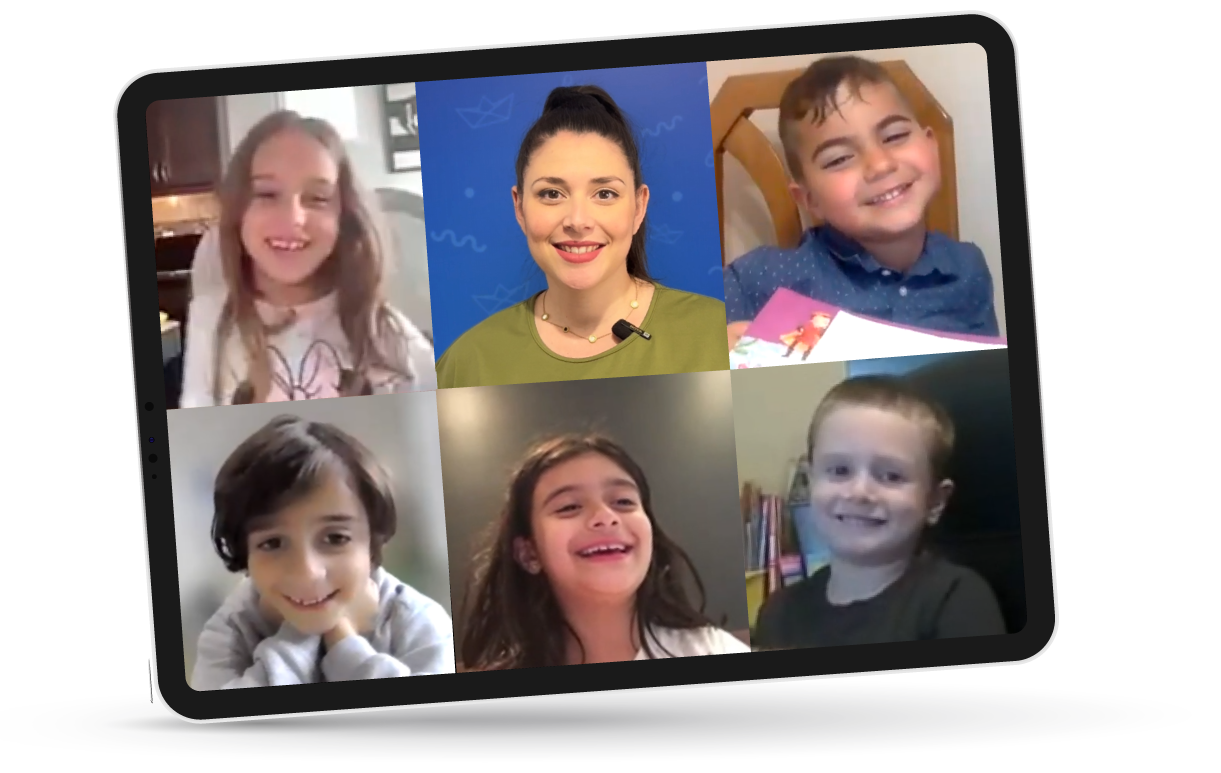
Your success in learning Greek depends on steady progress. Daily tracking helps you tackle challenges step by step. Kids do great with structured learning environments. Ellinopoula’s live courses create an engaging platform that young learners love. These courses blend cultural elements with interactive lessons.
Note that language skills grow step by step through dedicated practice and the right tools. You can give your child the best start on their Greek language trip by signing up for . Your child will speak Greek with confidence sooner than you expect when you provide proper guidance and stay consistent.

FAQs
Q1. How long does it typically take to learn Greek? The time required to learn Greek varies depending on your goals and study intensity. For basic conversational skills, you may need 300-400 hours of dedicated study. Reaching intermediate proficiency could take 600-800 hours. However, consistent practice and immersion can accelerate your progress.
Q2. What are some effective methods to learn Greek quickly? To learn Greek efficiently, combine structured lessons with daily practice. Use language learning apps, engage with native speakers, watch Greek media, and participate in cultural activities. Focus on mastering pronunciation, building vocabulary, and practicing grammar in context. Consistency is key to rapid progress.
Q3. How can I improve my Greek pronunciation? To enhance your Greek pronunciation, start by learning the unique sounds of Greek vowels and consonants. Practice with minimal pairs, record yourself speaking, and compare with native pronunciations. Pay attention to stress patterns and intonation. Regular practice and exposure to native speech will help you perfect your accent over time.
Q4. What are some ways to stay motivated while learning Greek? Maintain motivation by setting achievable milestones and tracking your progress regularly. Engage in fun activities like Greek language games, cultural events, and interactive lessons. Celebrate small achievements along the way. Remember that consistent effort, even in short daily sessions, leads to steady improvement in your Greek language skills.
Q5. How can I practice Greek if I don’t live in a Greek-speaking country? Even without living in Greece, you can practice Greek by using language exchange apps to connect with native speakers, watching Greek movies and TV shows, listening to Greek podcasts, and reading Greek books or news articles. Participate in online Greek language forums, join virtual Greek cultural events, and consider taking online Greek lessons with a tutor.