

Research proves that success in language learning depends on both personal motivation and external rewards. Many students lose their drive because they don’t see quick improvements in their language skills. This often leads them to give up on their studies.
We know these roadblocks well. That’s why we’ve put together tested strategies that keep students excited about learning Greek. Our practical approach includes everything from games to connecting with personal heritage. These methods create a supportive space where students feel safe to take risks and stay enthusiastic throughout their learning experience.
Practical Ways to Make Greek Learning Fun
Greek language learning becomes an exciting adventure when you add fun elements to the process. Students who enjoy their experience are more likely to stay motivated and make steady progress. Let’s look at some ways that revolutionize Greek studies into exciting activities.
Game-based activities that teach vocabulary and grammar

Games create a relaxed environment that naturally helps language acquisition. Digital platforms like Ellinopoula provide colorful, action-packed interactive content with themes kids love, such as Greek mythology, space travel, and fairy tales. Ellinopoula’s “Space Words” game lets children practice Greek grammar at three difficulty levels as they explore space and select planets that match the correct article for each word.
“Sentence Maker” helps students place words in the correct order to form proper Greek sentences. This game includes kid-friendly themes like boats, animals, and family settings that make it quick and easy for children to practice sentence formation.
These games are also great ways to learn:
- Memory games help both children and adults learn simple Greek vocabulary while having fun
- Digital flashcards drill new vocabulary like animals, fruits, and vegetables
- Interactive vocabulary quizzes test knowledge of simple Greek nouns
- Board games like Snakes and Ladders reinforce counting and simple math in Greek
- Hide and Seek with counting in Greek, starting with numbers 1-10
Using music and videos to boost pronunciation

Music creates strong neural connections that help memory and language acquisition. Playing Greek music in the background won’t magically improve language skills, but a well-laid-out approach yields impressive results.
Music-based learning works best when you:
- Listen actively – Find song lyrics online (both Greek and translated), focus on pronunciation, identify key phrases, and make this part of your daily routine
- Translate lyrics – Understand the meaning, break down vocabulary, and focus on unique phrases or expressions
- Sing along – Copy the singer to improve pronunciation, intonation, and fluency
- Learn about culture – Explore different genres like rebetika or laika to understand cultural contexts
- Build vocabulary – Use repetitive lyrics to reinforce new words
Voice recording tools let you compare your pronunciation with native speakers to perfect your accent. Children love Greek songs with actions that make learning fun and memorable.
Creating immersive storytelling experiences

Storytelling provides contextual learning that helps students retain information better than memorization alone. People remember language naturally through narratives that connect to their knowledge and experience.
Storytelling works because:
- Students produce written and oral language more quickly
- Stories create emotional connections that make vocabulary and phrases stick
- Greek storytelling includes elements of culture, history, and mythology
- It provides meaningful context for vocabulary and grammar
Teaching Proficiency through Reading and Storytelling (TPRS) focuses on story-telling and related activities. Q&A and Circling also work well – you ask simple questions about Greek texts and repeatedly focus on the same language units for reinforcement.
These fun approaches to Greek language learning boost motivation naturally as students interact with the language in meaningful, enjoyable ways.
How to Find Motivation Through Personal Connection
Meaningful relationships drive motivation powerfully when learning Greek. Students find lasting inspiration through personal connections that goes way beyond the original excitement of starting a new language.
Connecting language goals to family heritage

Life in a Greek household—even one distant from Greece—naturally makes you want to connect with your roots. People with Greek ancestry don’t just want to know their origins; they need to fill a gap in their identity. Greek language becomes their bridge to this connection.
Greek language skills help preserve traditions, honor ancestors and build living connections to cultural history. A student once shared, “With the passing of most of my family, the need to establish my roots and be connected with Greece has gotten stronger”. This deep emotional bond keeps learners going through tough learning phases.
Greek heritage children who speak the language build stronger bonds with their grandparents and relatives, which promotes communication across generations. These connections let them grasp their family’s experiences and values deeply.
Finding Greek-speaking communities and conversation partners

Language learning communities are a great way to get support and practice. Here’s where you can start:
- Online forums like Reddit’s r/Greek subreddit where students ask questions and share resources
- Facebook groups such as “Greek Language Learners” that share materials and run challenges
- Language exchange platforms that link you with native speakers learning your language
- Greek cultural centers with classes and events
Learning alongside someone more skilled—like a tutor or friend—motivates you just like having a personal coach. Language exchange partners offer real conversation practice beyond formal lessons. Greek speakers often reach out saying things like “I can help with Greek if you’re interested!”.
Creating meaningful reasons to use the language

Students need real purpose beyond just obligation. The sort of thing I love is how people without Greek backgrounds show amazing motivation: “Most successful Greek learning stories come from people with no Greek background who fall in love with the country”.
It also helps to invest—either money or time—to stay committed. Buying books, joining classes, or participating in study groups builds accountability. Your dream of fluency matters during tough times; this bigger perspective helps you stay motivated when progress seems slow.
Effective Tools for Different Learning Styles

The right learning style can help you discover the full potential of Greek language learning. Students learn and process information differently, so tailored teaching approaches are vital to keep them motivated.
Visual learners: Graphics, videos, and visual associations

Visual learners excel when they see information through pictures, diagrams, and videos. These students get the most benefit from:
- Visual flashcards that connect pictures directly to words and boost memory retention
- Colorful videos showing real Greek situations that help them adjust to different communication styles
- Interactive letter puzzles matching Greek letters with pictures
- Visual dictionaries showing Greek vocabulary through illustrations instead of translations
Tools like Magenta are a great way to get visual support with text-to-speech features and detailed definitions. Apps with augmented reality create engaging spaces where students can see vocabulary connections, which makes abstract ideas more concrete.
Auditory learners: Songs, conversations, and pronunciation practice

Auditory learners pick up information best through listening and speaking words out loud. They remember words better by hearing them rather than reading. The quickest ways to learn include:
Audio resources like podcasts, audiobooks, and online radio stations (www.e-radio.gr or www.ert.gr) create a natural learning environment. A few minutes of daily listening helps your ears adjust to Greek sounds and rhythms.
Pronunciation practice runs on conversations with native speakers or AI language partners that mirror real discussions. Reading aloud works especially well since research shows auditory learners absorb materials better when they speak the words.
Kinesthetic learners: Movement-based activities and hands-on projects

Kinesthetic learners learn best through physical activity and “learning by doing“. Their brains build stronger connections when they’re moving.
Total Physical Response (TPR) methodology shows excellent results by linking physical movements to language learning. Activities like cutting exercises help students shape Greek letters while developing hand coordination.
Movement-based activities that keep kinesthetic learners motivated include:
- Acting out everyday Greek conversations
- Making puppets to tell stories in Greek
- Using hand movements for key vocabulary
- Playing charades with Greek words
- Setting up language-focused relay races
Learning stations around the classroom with different Greek activities keep these students engaged as they move between tasks. These tailored approaches give each student their own natural path to master Greek.
Building Confidence in Greek Language Skills

Building confidence might be the most crucial factor that keeps students motivated to learn Greek. Students often fear mistakes. They feel uneasy with native speakers and doubt their abilities while learning this rich language.
Starting with achievable challenges

Success creates confidence, and starting with manageable goals builds momentum to learn more. Your Greek learning trip becomes easier when broken down into small, concrete steps. You can be organized by doing this and being methodical where each win builds on what you already know.
Start with simple greetings and common phrases to build a strong foundation. These simple elements help children feel confident when they realize they can communicate with just a few words. As one expert notes, setting clear, achievable objectives allows learners to “break down the daunting task of language acquisition into manageable steps”.
Using positive reinforcement effectively

Positive reinforcement serves as the life-blood of successful language learning. Students stay enthusiastic when you celebrate small achievements, set reachable goals, and include their interests in learning. This approach encourages an environment where students get immediate validation for their efforts.
Students retain information better with regular reviews and positive feedback. Parents can create powerful motivation by showing genuine interest in their child’s progress and noticing even small improvements. Note that consistent praise for speaking attempts—whatever the accuracy—builds the confidence needed for continued practice.
Creating safe spaces for making mistakes

Mistakes are essential stepping stones toward fluency, not failures to fear. Students overcome their insecurities in environments where errors are seen as part of learning.
Free community initiatives like conversation cafes provide “safe spaces for people to speak Greek and connect with others“. These judgment-free zones encourage the risk-taking needed for growth.
For classroom settings, emphasize:
- Small group practice sessions with peers of similar proficiency
- Expert guidance with gentle corrections
- Shared activities instead of individual performances
- Technology tools for private practice before public speaking
Students master language through consistent practice in supportive environments. This process needs patience, encouragement, and understanding.
How to Keep Motivation Through Measurable Progress

Students stay motivated longer when they can see their progress in Greek language learning. Those who track their improvement learn better and stick with it compared to students who don’t measure their advancement.
Setting SMART language learning goals

SMART goals are the foundations of language success. These goals are:
- Specific: “Learn 200 words this month” works better than saying “become fluent”
- Measurable: You can track your targets
- Achievable: Goals match your available time and resources
- Relevant: They connect to your reasons for learning Greek
- Time-bound: Deadlines help create urgency
Many students lose motivation because they set unclear goals like “I want to be fluent” or “I want to be able to talk”. “Pass the DELE B2 exam on July 17th” gives you a clear target and way to measure success, unlike the vague goal of “learn Greek”.
Tracking and celebrating achievements

Progress tracking builds momentum naturally. Students should mark completed lessons and vocabulary before moving ahead. Small victories deserve celebration—they give quick rewards and keep you going.
Completing five levels of a language program becomes something you can measure and be proud of. Regular self-tests using dialog-only tracks without translations help you assess how well you understand.
Using digital dashboards to visualize growth

Digital tools help you see your progress clearly. Progress bars fill up after each lesson, showing how far you’ve come. These features let you spot your strengths and weak areas quickly.
Ellinopoula’s dashboard helps parents and teachers watch their children’s progress in vocabulary and grammar. Families can celebrate milestones together, which deepens their commitment through shared success.
Regular practice combined with these measurement approaches builds lasting interest in Greek language learning.
Integrating Greek Into Daily Life
Learning Greek goes beyond textbooks. You need to weave the language into your everyday activities. Regular exposure creates the repetition you need for language acquisition. This approach helps you stay excited about learning.
Simple routines that reinforce learning

Start your day by saying “Καλημέρα” (Good morning) and “Πώς είσαι;” (How are you?). These simple greetings help set your mind to think in Greek. Your home can become a Greek classroom when you label common items with their Greek names. Put “ψυγείο” on your refrigerator or “τηλεόραση” on your TV.
Students and professionals can try these daily habits:
- Write journal entries in Greek, starting with basic sentences before trying complex ones
- Learn vocabulary during breakfast while Greek radio plays in the background
- Make shopping lists in both English and Greek, and check items as you pick them up
Family activities that make Greek practice natural

Meeting up with Greek-speaking families creates social settings that help you learn the language naturally. These casual gatherings let you practice Greek without pressure.
Cooking Greek dishes together gives you a chance to learn food-related words and phrases. You can discuss ingredients and cooking steps in Greek. This hands-on approach connects words with real actions and sensations, which helps you remember better.
Your family can celebrate Greek holidays and traditions together. Try explaining what they mean in Greek. These cultural connections help you understand the language better and make learning more meaningful.
Creating opportunities for authentic language use
Greek-speaking communities, both online and local, give you more chances to use what you’ve learned.
Change your phone’s language settings to Greek. This simple switch turns everyday scrolling into study time. Using Greek in real situations helps build your confidence and practical skills for real-life communication.
Conclusion
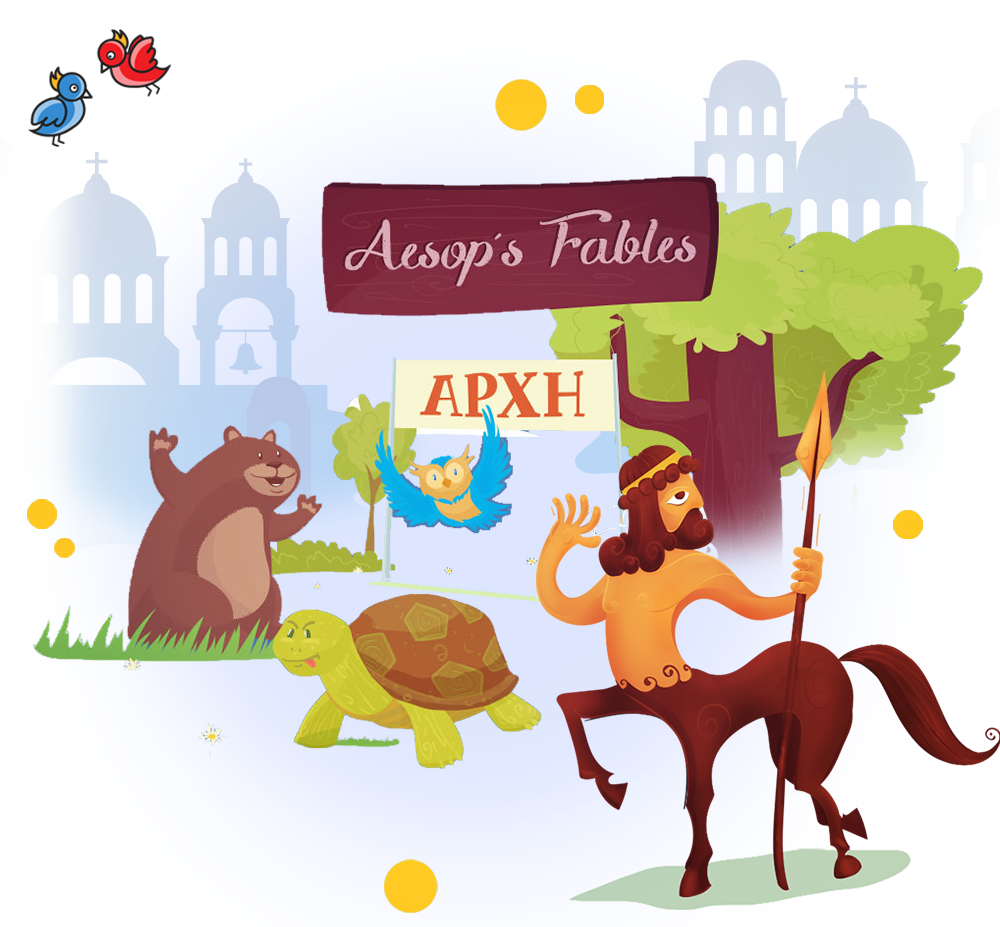
Learning Greek becomes an exciting experience with the right strategies and tools. Success comes from combining engaging activities, personal connections, and consistent practice that matches individual learning styles. Students thrive when they connect with their heritage and participate in interactive games—this is where Ellinopoula shines by combining interactive Greek language learning with learning about Greek heritage. Students learn better in supportive environments that treat mistakes as stepping stones to fluency — this is applied in Ellinopoula Live Online Classes.
Daily integration of Greek language makes learning natural and long-lasting. In fact, children learn best when their Greek language experience feels like an adventure rather than a chore.
These proven strategies are ready to implement today. Traditional methods and modern digital platforms offer countless resources to support your Greek language learning goals. Note that each word you learn, every conversation you attempt, and all cultural connections you make bring you closer to Greek language mastery. Your commitment to preserving and passing on this beautiful language will create lasting effects for generations to come.
FAQs

Q1. How can I make learning Greek fun for students?
Incorporate game-based activities, use music and videos, and create immersive storytelling experiences — Ellinopoula’s virtual field trips and thematic collections offer this type of immersive learning for young students learning Greek. Interactive games, songs, and visual aids can make vocabulary and grammar more engaging, while storytelling provides context for language use.
Q2. What are effective ways to connect language learning to personal interests?
Encourage students to explore their family heritage, join Greek-speaking communities, and find practical reasons to use the language. This could involve connecting with relatives, participating in cultural events, or planning trips to Greek-speaking regions.
Q3. How can I cater to different learning styles when teaching Greek?
Utilize a variety of tools and methods to accommodate visual, auditory, and kinesthetic learners. For visual learners, use graphics and videos; for auditory learners, incorporate songs and conversations; and for kinesthetic learners, implement movement-based activities and hands-on projects.
Q4. What strategies can help build confidence in Greek language skills?
Start with achievable challenges, use positive reinforcement, and create safe spaces for making mistakes. Set small, attainable goals, celebrate progress, and encourage a supportive environment where errors are viewed as learning opportunities.
Q5. How can I integrate Greek into daily life to reinforce learning? Establish simple Greek language routines, engage in family activities that incorporate Greek, and create opportunities for authentic language use. This could include labeling household items in Greek, cooking Greek dishes together, or using Greek language settings on digital devices.