

Greek phrases go beyond simple communication – they open doors to friendly conversations and even free mastiha liqueur from grateful locals.
The Greek alphabet might look daunting at first. Learning key phrases like “Γεια σου” (Yassou) for hello and “Ευχαριστώ” (Efharisto) for thank you will make your travel experience better. Your efforts to ask for directions or greet someone with “Καλημέρα” (Kalimera) show genuine respect for Greek culture.
Let us guide you through practical Greek phrases that locals use daily. You’ll learn everything from casual greetings to handling emergency situations during your Greek adventure.
Essential Greek Greetings and Responses

Greeks value polite social interactions deeply, and showing respect for their culture starts with using time-specific greetings correctly. “Καλημέρα” (Kalimera) serves as the most common morning greeting from dawn until noon. People switch to “Καλησπέρα” (Kalispera) from noon until late at night, which works as both ‘good afternoon’ and ‘good evening’.
“Γεια” (Ya) fits perfectly among friends or people of similar age during casual encounters. In spite of that, you should use “Γεια σας” (Ya sas) to address someone older or in formal situations. On top of that, proper etiquette calls for direct eye contact during introductions.
“Τι κάνετε” (Ti kanete) works as the formal way to ask about someone’s well-being, while “Τι κάνεις” (Ti kanis) suits informal situations. Friends often use “Είσαι καλά” (Eisai kala), which literally translates to “are you well?”.
Greeks typically respond with:
- “Καλά” (Kala) – meaning good
- “Πολύ καλά” (Poli kala) – very good
- “Μια χαρά” (Mia hara) – great
- “Τα ίδια” (Ta idia) – same as usual
Greeks use specific farewell phrases depending on the time of day. People say “Καλό απόγευμα” (Kalo apogevma) to wish someone a good afternoon before parting. “Καλό βράδυ” (Kalo vradi) works as an evening farewell, while “Καληνύχτα” (Kalinikta) means “good night”.
Social settings in Greece go beyond simple greetings. Close friends exchange warm embraces or cheek kisses, along with pats on the arm or back. People commonly address non-related elders as “Theia” (Aunty) and “Theios” (Uncle).
A thirty-minute delay is perfectly normal when you’re invited to someone’s home. Greek customs suggest bringing a small gift, such as flowers or cakes from a local shop. You should know that offering to pay for dinner might offend your host if you insist after they politely refuse.
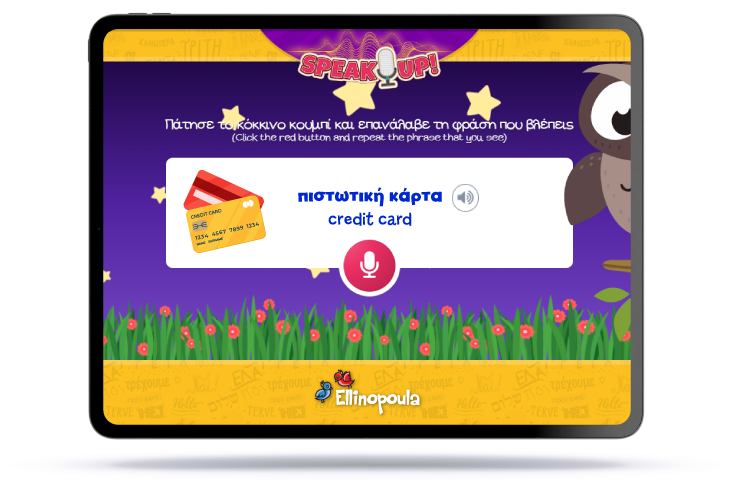
At Ellinopoula, we created SpeakUp, a speech recognition software which enables kids to practice speaking Greek and practice what they learned in class, from the comfort of their home. We also have collections dedicated to everyday conversational Greek phrases, like these.
Must-Know Phrases for Daily Situations
Greek restaurants provide countless chances to practice common phrases in real settings. You can start your order with “Θα ήθελα παρακαλώ” (Tha EEH-the-lah para-kah-LOH) which means “I would like, please”. A casual alternative is “Θέλω” (THEH-loh) – “I want”.
You might want to ask about specific dishes before ordering. “Τι περιέχει αυτό το πιάτο;” (Ti periéhi aftó to piáto?) helps you learn about ingredients. People with dietary restrictions should say “Έχω αλλεργία στους ξηρούς καρπούς” (Ého alergía stus xirús karpús) to indicate nut allergies.
Greek markets need their own phrases. The staff appreciates a smile with your greeting as you enter. “Πόσο κάνει;” (POH-soh KAH-nee) asks “How much?” Add “αυτό” (af-TOH) to specifically ask “How much is this?”.
You’ll need help sometimes in restaurants or shops. “Μπορώ να σε βοηθήσω” (Boro na se voithiso) means “Can I help you?”. The phrase “Το λογαριασμό, παρακαλώ” (toh logh-are-yias-MOH para-kah-LOH) gets you the check.
Need directions? “Πού είναι” (Pou EE-neh) plus your destination helps you find specific places. “Πού είναι η τουαλέτα” (Pou EE-neh ee tua-LEH-tah) leads you to restrooms.
Drink-related phrases are a great way to get familiar with Greek cuisine. Toast with “Στην υγειά μας” (STIN ee-YAH mas) – “To our health!”. Friends often use the casual “Γειά μας” (YAH mas).
Check payment options by asking “Δέχεστε πιστωτική κάρτα;” (Déheste pistotikí kárta?) – “Do you accept credit cards?”. Dining with friends? “Μπορούμε να πληρώσουμε ξεχωριστά;” (Borúme na plirósume xehoristá?) helps split the bill.
Emergency and Help Phrases
Greek emergency phrases can make a vital difference when you need help quickly. The basic word “Βοήθεια” (Voíthia) translates to “Help!”. You can say “Βοηθήστε με” (Voithíste me) which means “Help me!” when you need specific assistance.
Clear communication becomes critical during medical emergencies. Say “Χρειάζομαι ένα γιατρό” (Chreiázomai éna giatró) to express “I need a doctor”. You can describe your condition with “Δεν αισθάνομαι καλά” (Den aisthánomai kalá) meaning “I don’t feel well”. Common health complaints include “Έχω πονοκέφαλο” (Écho éna ponokéfalo) for a headache and “Έχω κρύωμα” (Écho krýoma) for a cold.
Security issues require immediate action. Use “Καλέστε την αστυνομία” (Kaléste tin astynomía) to say “Call the police”. Remember that 100 is Greece’s police emergency number. Yell “Φωτιά” (Fotiá) during fire emergencies.
Common medications in Greek include:
- “παρακεταμόλη” (paraketamóli) – Paracetamol
- “ασπιρίνη” (aspiríni) – Aspirin
- “ιβουπροφαίνη” (ivouprofaíni) – Ibuprofen
The phrase “Παρακαλώ, πάρτε με στο νοσοκομείο” (Parakaló, párte me sto nosokomío) asks someone to take you to a hospital. Medical staff might ask “Έχετε συνταγή;” (Éhete sindayí?) which means “Do you have a medical prescription?”.
Visitors should know that “ασθενοφόρο” (asthenofóro) means ambulance. Medical insurance translates to “ιατρική ασφάλεια” (iatrikí asfália). You can say “Νομίζω ότι έφαγα κάτι χαλασμένο” (Nomízo óti éfaga káti halazméno) to explain “I think I ate something bad”.
Tourists often need directions. The phrase “Δεν μπορώ να βρω τον δρόμο για το ξενοδοχείο μου” (Den boró na vro ton drómo ya to xenodohío mu) helps you say “I can’t find the way back to my hotel”. Looking for a pharmacy? Ask “Υπάρχει κάποιο φαρμακείο εδώ κοντά;” (Ipárhi kápio farmakío edó kondá?) which means “Is there a pharmacy nearby?”.
Conclusion

Simple Greek phrases unlock authentic experiences that regular tourists often miss. English works well at popular spots, but these essential Greek expressions show respect for local culture and guide you toward friendlier welcomes from residents.
Local Greeks value visitors who try to speak their language at tavernas or shops. Phrases like “Kalimera” for good morning or “Efharisto” for thank you turn everyday interactions into lasting memories.
Knowledge of emergency phrases gives you peace of mind during travel. Tourist areas have English-speaking Greeks, but medical terms and emergency expressions in their language ensure quick communication when seconds count.
Language learning connects you with people and their culture beyond just words. Your journey starts with simple greetings and daily phrases as your confidence grows naturally. Greeks value your effort more than perfect pronunciation, so speak freely.