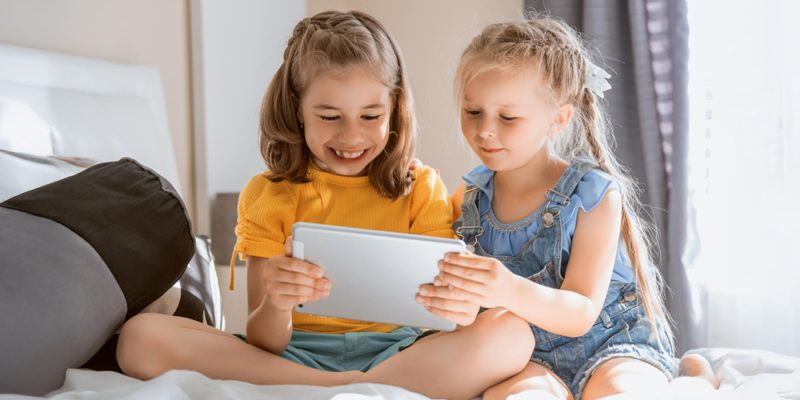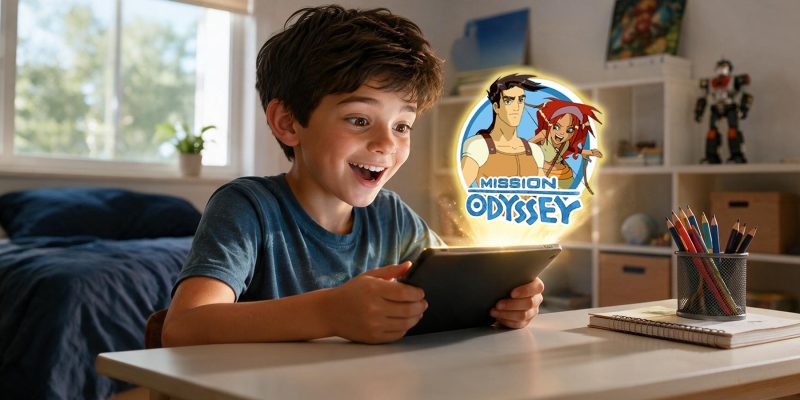

We found that when kids practice learning Greek regularly—and in small, joyful bursts—retain more and enjoy more. With Ellinopoula’s blend of weekly Live Online Classes and the gamified browser/app platform, children build momentum. The best way to learn Greek is not endless study—it’s consistent engagement, meaningful context, and a visible sense of progress.
Why Short, Daily Sessions Make a Big Difference
Traditional, lengthy study sessions often lose kids’ attention and lead to inconsistent retention. Ellinopoula’s approach flips that: we design lessons so kids can log in for 5 to 15 minutes , play a story‑game, earn an Achievement Badge, unlock an Olympian Power, and climb the Pantheon of Students. These regular interactions reinforce vocabulary, practice pronunciation, and keep the experience fun.
This means kids aren’t simply logging into class and then forgetting everything. Instead, each day becomes an opportunity to revisit culture—for example practicing greetings like “Kalimera,” re‑telling snippets of The Odyssey, or singing a few lines of kalanda. A few minutes daily is far more effective than one long weekly study binge—and it builds confidence steadily.
How to Learn Greek Fast with a Daily Routine

Here’s a flexible daily routine that families using Ellinopoula often adopt:
- Start with 10–15 minutes on the Ellinopoula Learning Path, doing interactive games or videos from the app or via browser, which helps reinforce vocabulary.
- If you’re enrolled in Live Online Classes, you can do a prep or follow-up based on the Things to Do section (homework allocated by the Class teacher).
- Finally, finish with a daily catch-up routine: listen to a short video or song, repeat key phrases, or practice 10 new words.
Over time, this steady, manageable daily habit builds fluency and cultural connection, all while keeping learning fun.
Methods to Integrate Culture and Play at Home
- Explore myths, fables and history: With Ellinopoula’s content, kids revisit stories of Kolokotronis, Bouboulina, the 28 of October “OXI” holiday, and epics like those in The Odyssey. These stories are immersive and anchor vocabulary with meaning in kids.
- Tie practice to traditions: Whether it’s singing kalanda at Christmas, smashing the pomegranate on New Year’s for luck, or the Epiphany cross‑in‑the‑sea —with Ellinopoula these traditions become interactive lessons kids can understand and appreciate while learning.
- Use Greek in daily life: Ask your child to say “Kali Orexi” at dinner, “Hronia Polla” on birthdays, or greet a relative by “Ya sou.” Real‑life use strengthens learning and motivates kids.
Balancing Fun and Consistent Progress

Parents often tell us that the most important part of Greek learning isn’t the content—it’s momentum. When kids log in to the platform again, again, and again, they build confidence. Ellinopoula’s design ensures that vocabulary seen in class is reinforced each day, making kids less likely to lag behind. The Energy Bar acts as encouragement to collect 20 stars in 30 days—that kind of progress makes kids feel that their efforts matter.
When Greek Diaspora kids feel they are advancing—not just repeating—they stay motivated. Learning becomes something they want to do, not something they have to do.
Parent Tips for a Successful Daily Routine

Parents play the role of cheerleader, connector, and co‑learner. Use these practical steps:
- Set two micro‑sessions each day: Maybe 5 minutes after breakfast and 5 minutes before dinner.
- Use Ellinopoula’s gamified lessons: Help your child pick a challenge to gain an Achievement Badge.
- Celebrate every badge: A wall‑chart to hang your kid’s badges can turn progress into pride!
- Tie learning to family life: Ask your child to greet a relative using words they learned, talk about a cultural tradition, or show the exciting Olympian Power they gained on the platform!
- Reflect together: Ask “What word did you use today?”
Those simple habits build consistency. Thirty minutes a week becomes hundreds of minutes a month—and kids grow in both language skill and cultural connection.
Sample 20‑Minute Daily Plan

Here’s a sample structure:
- 3 minutes: Quick vocab game (on the platform) – greetings, colors, numbers.
- 7 minutes: Short story/mini‑lesson—myth, fable, or holiday narrative.
- 5 minutes: Speaking practice—child tries a phrase, parent responds.You can also use “SpeakUp.”
- 5 minutes: Explore the activities in any themed collection your child is interested in.
Why Momentum Matters for Diaspora Kids

For kids living outside Greece, language learning can sometimes feel disconnected from home. Without regular engagement, vocabulary slips and confidence drops. Ellinopoula’s approach—short daily sessions, gamified reinforcement, connected culture—keeps the language alive in home, conversations, and family gatherings. Kids aren’t only memorizing—they’re using Greek in meaningful ways.
Parents often report a shift: from “I can’t remember last week’s words” to “Look, I used that greeting with grandma!” Momentum isn’t just progress—it’s pride. Diaspora kids feel connected when they greet relatives in Greek, contribute to a family gathering with a phrase, or unlock an Achievement Badge for a story they recognize. That sense of continuity—language to tradition to family—makes all the difference. They feel that their language skills matter.
Integrating Greek Heritage into Daily Practice

Motivation thrives when learning is rooted in identity. Ellinopoula ensures Greek language learning is never separated from culture:
- Heroes and history: Kids learn about Greek Independence figures like Kolokotronis and Bouboulina, and discuss the “OXI” moment on 28 October—tying vocabulary to bravery and heritage.
- Myth and moral lessons: Through The Odyssey and Aesop’s fables, kids practice language and engage with classic Greek storytelling.
- Customs and celebrations: Whether it’s the festive karavaki boat at Christmas, singing kalanda, smashing the pomegranate for New Year, or at Epiphany the throwing of the cross in the sea—each tradition becomes a lesson, vocabulary becomes a memory.
Final Thoughts
If you’re wondering how much time your child should spend on Greek—focus less on hours and more on rhythm, relevance, and routine. Ellinopoula’s platform brings together Live Online Classes and a fun learning experience on the platform to deliver a joyful, effective path.
With just 15–20 minutes a day, kids build vocabulary, confidence, and a deeper appreciation of their heritage. For Diaspora families, that means Greek isn’t a distant language—it’s a living part of family life, identity, and community.
Start your child’s journey today with Ellinopoula’s free 7-day trial!